AI Shopping Tools: Smarter Carts, Subscriptions, and the Future of Automated Buying 🛒
Hey friends! 👋 Have you ever filled your online cart, only to realize you’ve spent way too much time deciding on basics like groceries or toiletries? I’ve been there too. That’s why the rise of AI shopping tools feels like such a game-changer. These tools don’t just recommend random items; they actually learn your habits, track deals, and sometimes even buy things for you before you know you need them. Let’s dive into how this tech is reshaping the way we shop.

One of the biggest innovations is smart cart automation. Imagine logging into your favorite e-commerce site and finding your cart already pre-filled with essentials you buy every month—detergent, snacks, even pet food. Instead of scrolling endlessly, you just review and confirm. I once tried a platform that used past purchase data to predict what I’d run out of soon. To my surprise, it was almost always correct, saving me time and avoiding those last-minute runs to the store.
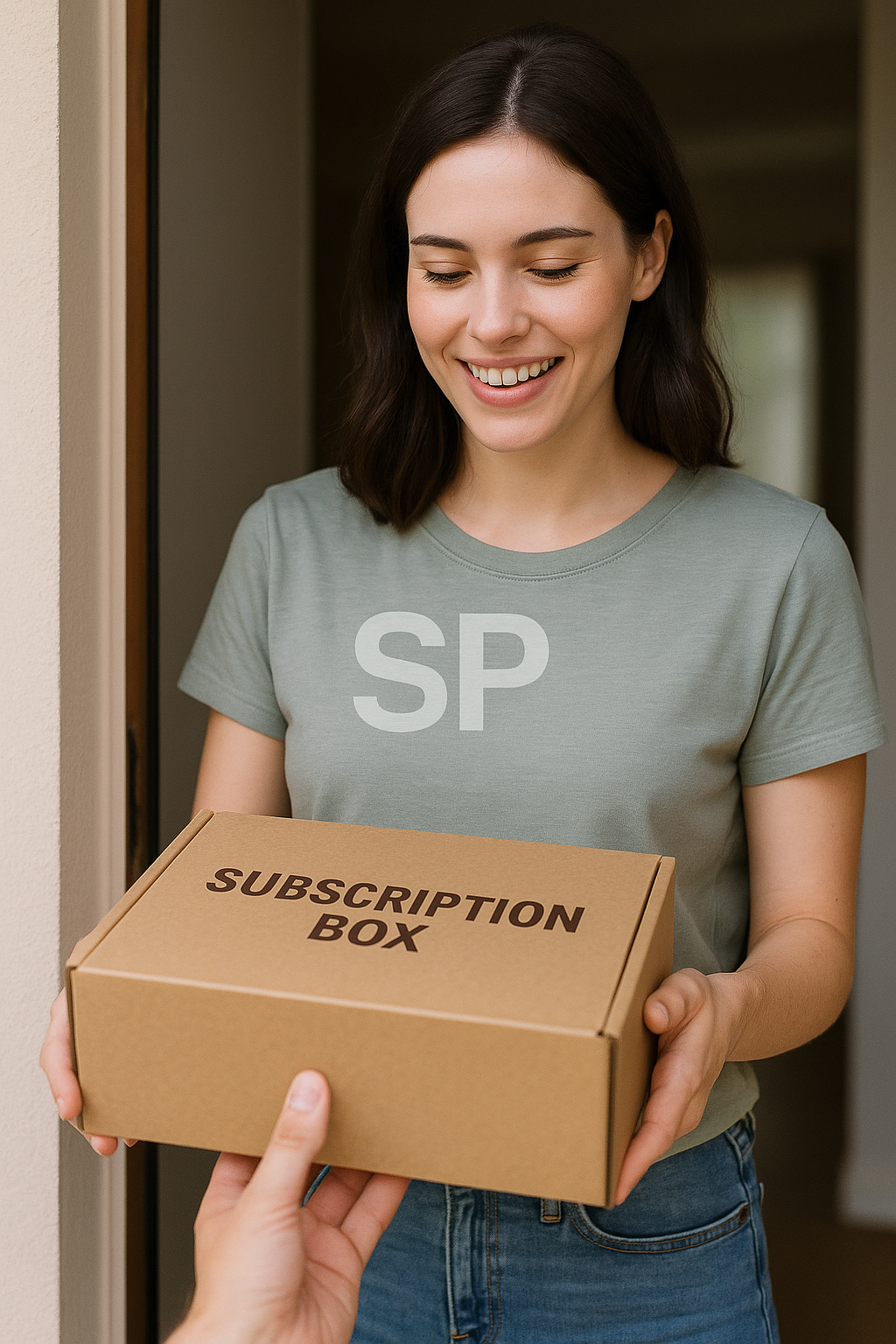
Another area exploding in popularity is subscription shopping hacks. Think beyond streaming services—now groceries, beauty products, even household tools can arrive on a regular schedule. What’s exciting is how AI optimizes these subscriptions. It notices if you’ve skipped a delivery or stockpiled too much and adjusts automatically. A friend of mine uses a skincare subscription, and the AI pauses shipments when it detects she hasn’t reordered in a while. That’s convenience mixed with intelligence.
Personalization is also huge. Personalized shopping AI doesn’t just look at demographics; it studies your browsing patterns, wishlist, and even time of day you usually shop. I once searched for coffee beans late at night, and by the next morning, my feed was filled with curated blends, complete with bundle discounts. At first, it felt a little spooky, but soon I realized it was saving me hours of searching and comparing.
Then there’s the bigger picture—digital consumer trends are shifting because of these tools. People are spending less time actively shopping and more time simply approving recommendations. It’s like moving from “search and choose” to “review and approve.” This passive form of consumption can be a double-edged sword—it’s efficient, but it also means we need to stay mindful about overbuying.
Lastly, let’s talk about the automated purchase system. Some platforms now offer true auto-buying. For example, if your printer ink hits a low threshold, the system orders replacements without asking. It sounds risky, but when combined with spending limits and notifications, it becomes an incredible safety net. I know a remote worker who relies on this for office supplies, and it’s completely eliminated downtime from missing materials.
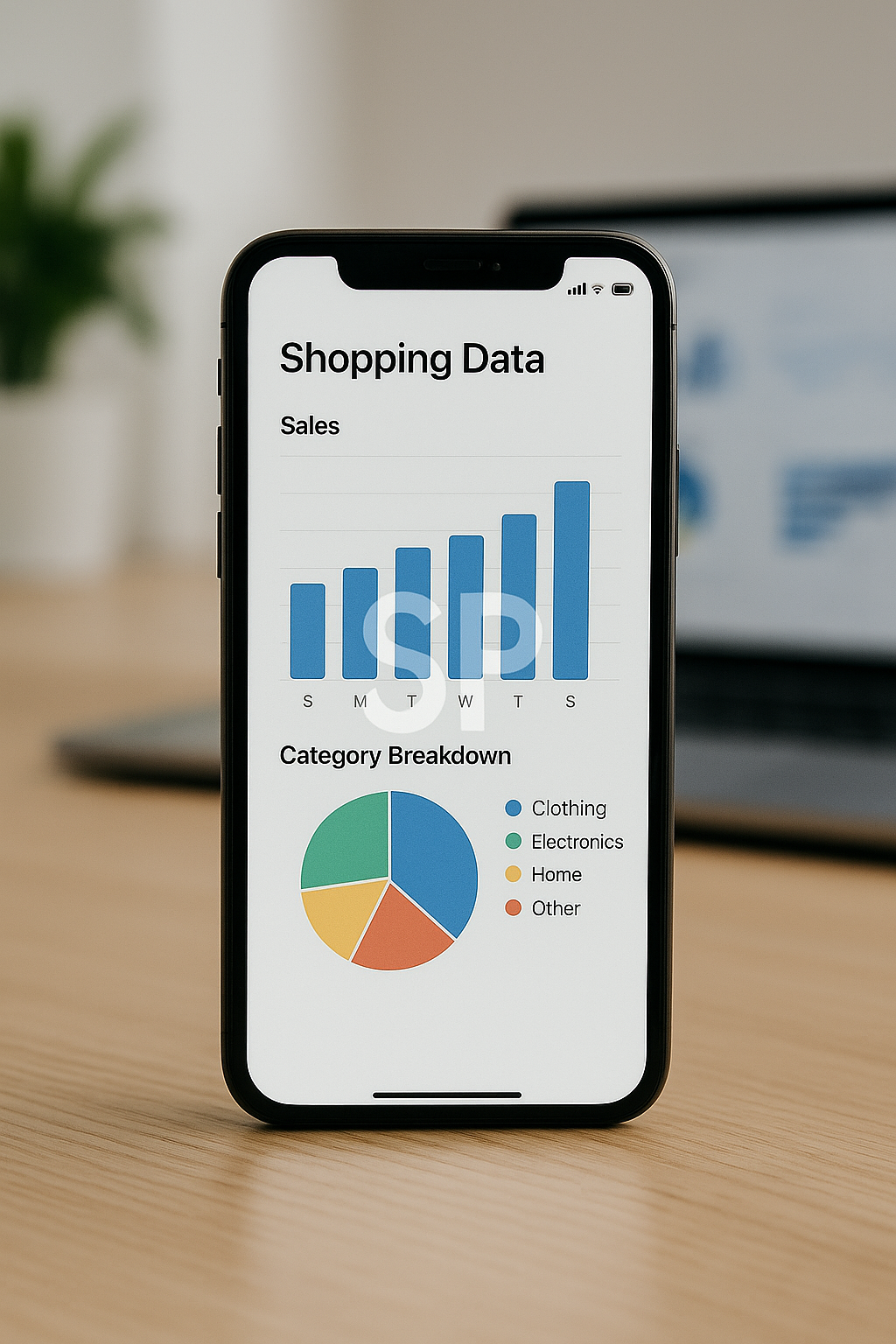
The bottom line is this: AI shopping tools are transforming our relationship with consumption. They’re not just about convenience; they’re about creating a smoother, more predictive, and less stressful shopping journey. Whether you’re a busy professional, a frequent traveler, or just someone who hates repetitive tasks, this tech has the potential to make your life easier—while also teaching us to be smarter, more mindful shoppers. 🌟
The more I explore different AI shopping tools, the more I realize they’re not just conveniences—they’re quietly changing the structure of modern commerce. What used to be a deliberate process of browsing and selecting has turned into a curated experience where AI anticipates our needs. I remember when ordering groceries online felt like a luxury. Now, with smart cart automation, it feels almost outdated to manually add the same essentials over and over.
Take the example of household supplies. With an automated system, I rarely worry about running out of basics like detergent or coffee. These AI shopping tools track my usage patterns and refill at the right time. They even suggest alternative brands if a product is out of stock, which has introduced me to new favorites. It’s like having a thoughtful assistant who not only remembers but also adapts.
Another breakthrough lies in subscription shopping hacks. Instead of juggling multiple delivery dates, AI aligns them, so everything arrives together. It sounds small, but it makes managing deliveries far less stressful. A colleague of mine uses an AI-managed subscription for pet supplies, and she said it even paused a delivery once after noticing she hadn’t reordered treats. That kind of intuition makes the service feel more human.
Then there’s the level of personalization. Personalized shopping AI goes beyond generic recommendations. It recognizes subtle patterns, like which products you only buy during holidays or which items you prefer to purchase in bulk. Once, after a series of late-night snack orders, I noticed my suggestions shifting toward healthier alternatives, as if the AI was gently nudging me toward balance. It felt oddly supportive, like digital well-being woven into shopping.
On a larger scale, these changes reflect broader digital consumer trends. People are learning to trust algorithms with everyday decisions. The benefit is clear: time saved and reduced decision fatigue. But it also raises questions about autonomy. Are we truly choosing, or are we approving what’s chosen for us? From my perspective, awareness is key. Using AI shopping tools doesn’t mean surrendering control—it means leveraging them while staying mindful of consumption.
Finally, the automated purchase system is redefining convenience. Imagine your printer ink or vitamins arriving just as you need them, without a reminder. This hands-off approach saves energy, but it also requires trust. I know one freelancer who relies on this system to manage his office essentials, and he hasn’t missed a deadline due to supply shortages in years. It’s proof that when automation works well, it fades into the background, letting us focus on bigger goals.
In the end, AI shopping tools are about more than faster checkouts. They represent a shift toward predictive living, where technology bridges gaps before we even notice them. For me, the key takeaway is balance—embracing automation for efficiency while maintaining conscious control over what enters our lives. That balance ensures that the future of shopping feels empowering, not overwhelming.