AI Shopping Tools 2025: Smarter Ways to Save Money and Time
Have you ever filled your online cart, only to wonder if you’re really getting the best deal? 💳 In 2025, that question is being answered by AI shopping tools, which are transforming how we browse, compare, and purchase. From automated price trackers to personalized product recommendations, AI is making shopping more efficient than ever. The key is not just finding the cheapest option but creating smarter routines that save both money and time. Let’s explore the best AI shopping tools in 2025 and how to integrate them into your daily life.
FeatureKey CharacteristicsExample Use CaseExpected Benefit
| Price Comparison | Real-time scan of multiple retailers, price trend prediction | Laptop price alerts, notifications for discount timing | Prevent overspending, buy at best price |
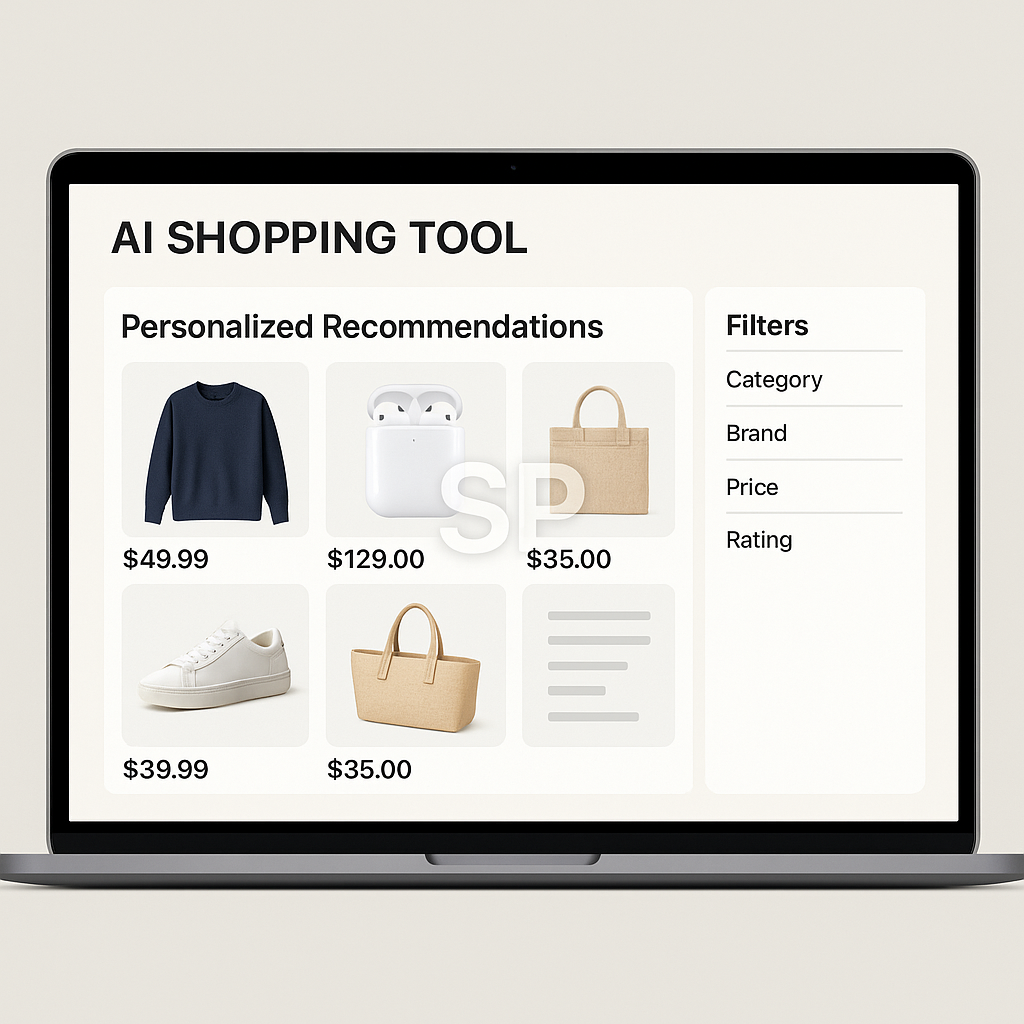
| Personalized Recommendations | Suggestions based on purchase & browsing history | Automatic recommendations for groceries, clothes, gadgets | Save search time, higher satisfaction |
| Subscription Management | Monitor recurring payments, suggest cancellations | Track OTT, music apps, fitness subscriptions | Save money on unused services |
| Coupons & Cashback | Auto-apply discount codes at checkout, track cashback | Automatic coupon insertion in online cart | Instant savings + long-term rewards |
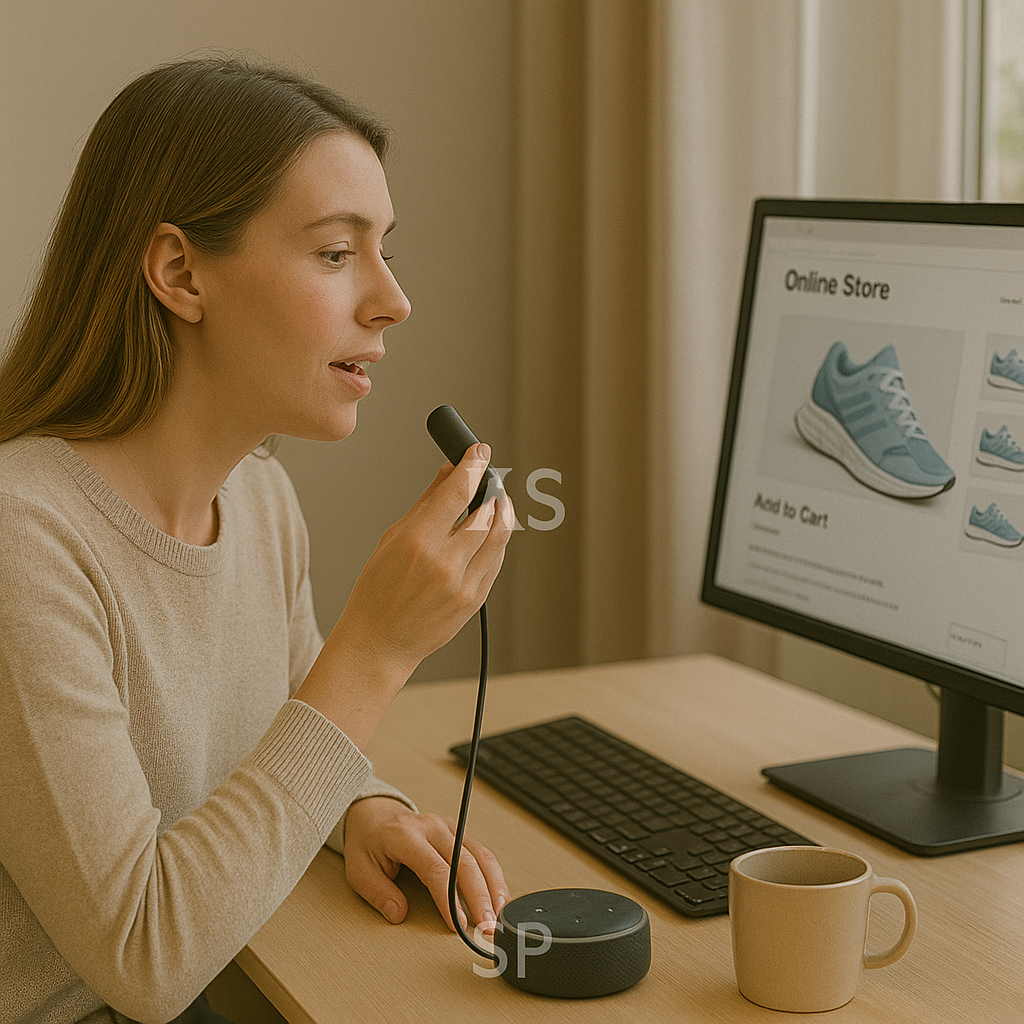
| Voice/Chat Shopping | Order through AI speakers or chatbots | “AI, order laundry detergent” voice command | Faster ordering, automate essentials |
| Data Analysis | Analyze spending patterns from cart history | Weekly spending summary reports | Correct habits, plan smarter consumption |
1. Automated price comparison
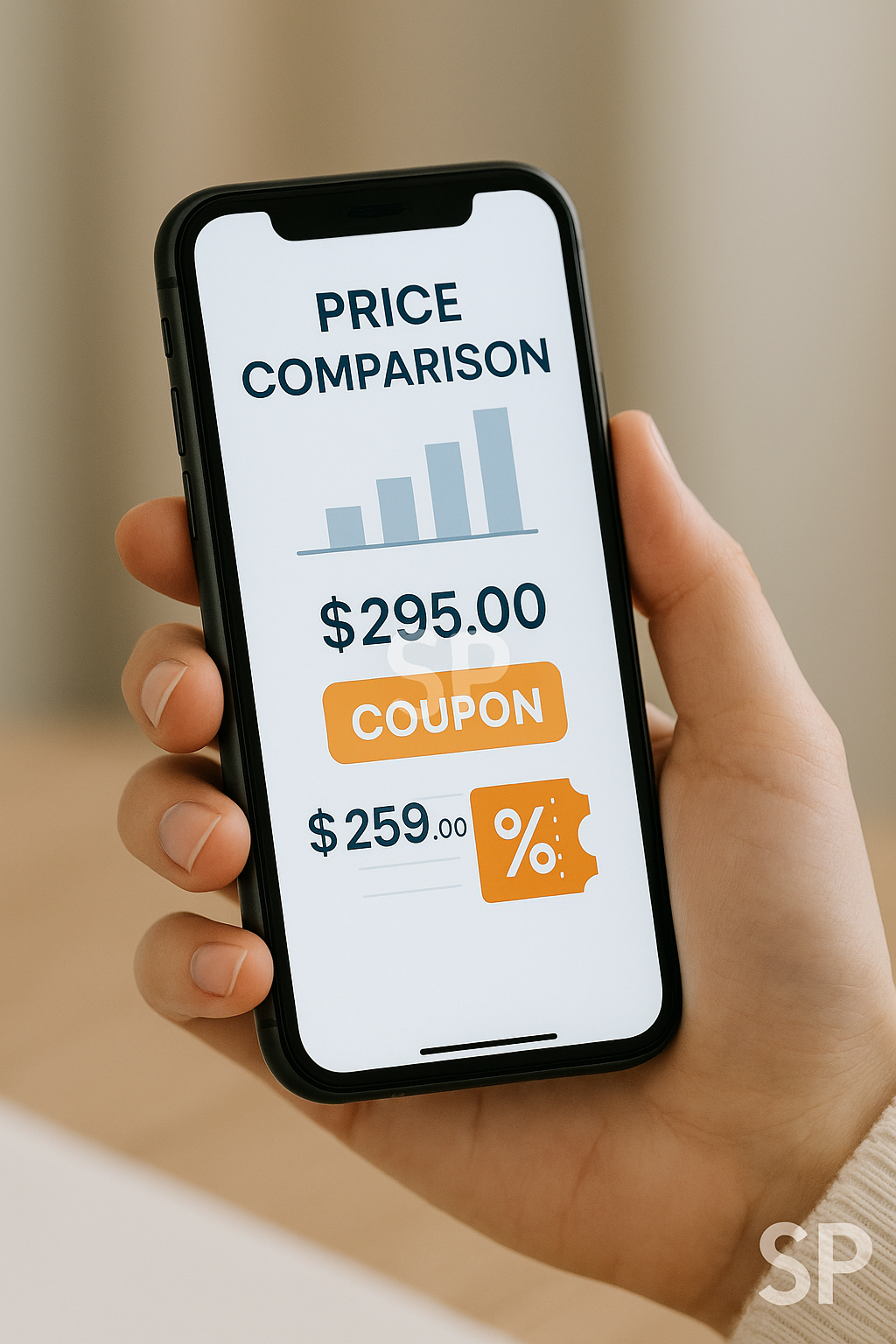
Gone are the days of opening ten browser tabs to compare prices. 🔍 AI shopping tools now scan multiple retailers instantly and highlight the best offers. Some even predict price drops, notifying you when it’s smarter to wait before purchasing.
2. Personalized product recommendations
Instead of generic ads, AI uses your browsing and purchase history to recommend items that actually fit your needs. 🎯 Whether it’s groceries, clothing, or tech gadgets, these tools act like personal shopping assistants—saving you hours of searching.
3. Subscription management
With so many monthly services, it’s easy to lose track. 📅 AI shopping tools monitor your subscriptions, alert you to unused services, and even suggest downgrades to cheaper plans. This prevents waste and ensures your budget stays optimized.
4. Smart coupons and cashback
AI-powered apps automatically apply coupon codes at checkout and track cashback opportunities. 💰 Instead of manually searching for discounts, these tools guarantee you never miss savings opportunities.

5. Voice and chat shopping assistants
AI assistants integrated into smart speakers or messaging apps let you order with a simple voice command or quick text. 🗣️ From reordering essentials to finding the fastest delivery, these assistants redefine convenience.
💡 The real value of AI shopping tools lies in building a routine: automating repetitive purchases, cutting unnecessary costs, and freeing your mind for decisions that matter. By combining automation with personalization, shopping in 2025 feels less like a chore and more like a seamless part of life. 🌟
The fascinating thing about AI shopping tools is that they don’t just make single purchases cheaper—they reshape the way people manage their entire shopping behavior. At first, many users think of them as discount finders, but over time, these tools become part of a financial routine. For instance, an AI tool that tracks grocery spending across multiple weeks can reveal patterns you might not notice yourself, such as overspending on snacks or duplicating purchases. This insight helps people save more effectively than relying on coupons alone. 🛒
Another overlooked benefit is the psychological relief. Shopping, especially online, often creates decision fatigue. Endless scrolling, comparing specs, reading reviews—it all consumes mental energy. By filtering out irrelevant choices and surfacing only the best matches, AI shopping tools reduce stress and free up headspace. Users report feeling more confident in their purchases because the tool provides data-driven recommendations instead of leaving them to guess.
For families, AI shopping tools can act almost like a household manager. Parents juggling work and kids can automate recurring purchases—diapers, cleaning supplies, or school snacks—and set spending alerts that keep the family budget under control. Some tools even integrate with smart fridges or pantries, automatically creating shopping lists based on what’s running low. 👨👩👧👦 This kind of automation not only saves money but also prevents waste by ensuring items are consumed before expiry.

Businesses are also tapping into these tools. Small e-commerce sellers use AI-powered price monitoring to keep their products competitive, while consumers benefit from transparent price drops. Cashback apps that once felt clunky now operate seamlessly in the background, depositing small amounts back into accounts without the need for manual claims. Over time, these micro-savings add up significantly, reinforcing the value of AI-driven shopping habits. 💳
Of course, there are challenges. AI shopping tools rely heavily on data, which raises privacy concerns. Users should check whether the platform encrypts data, avoids selling personal information, and offers transparent policies. Trustworthy apps make privacy a core feature, and ironically, this transparency often becomes a competitive advantage. In an era where consumers care deeply about data security, the AI shopping tools that last will be those balancing intelligence with ethics. 🔐
Ultimately, AI shopping tools represent more than convenience—they mark a shift toward intentional consumption. Instead of impulsively clicking “buy now,” people are guided into patterns that align with budgets, goals, and even sustainability values. Over months and years, this transforms not just individual purchases but entire lifestyles. 🌍 For many, that’s the most important return: not only saving money, but also feeling in control of how they spend it.