From Clicks to AI Picks: How AI Shopping Tools Transform the Way We Buy
Hi shoppers, have you noticed how much time we spend browsing online stores only to get overwhelmed with choices? 🌍✨
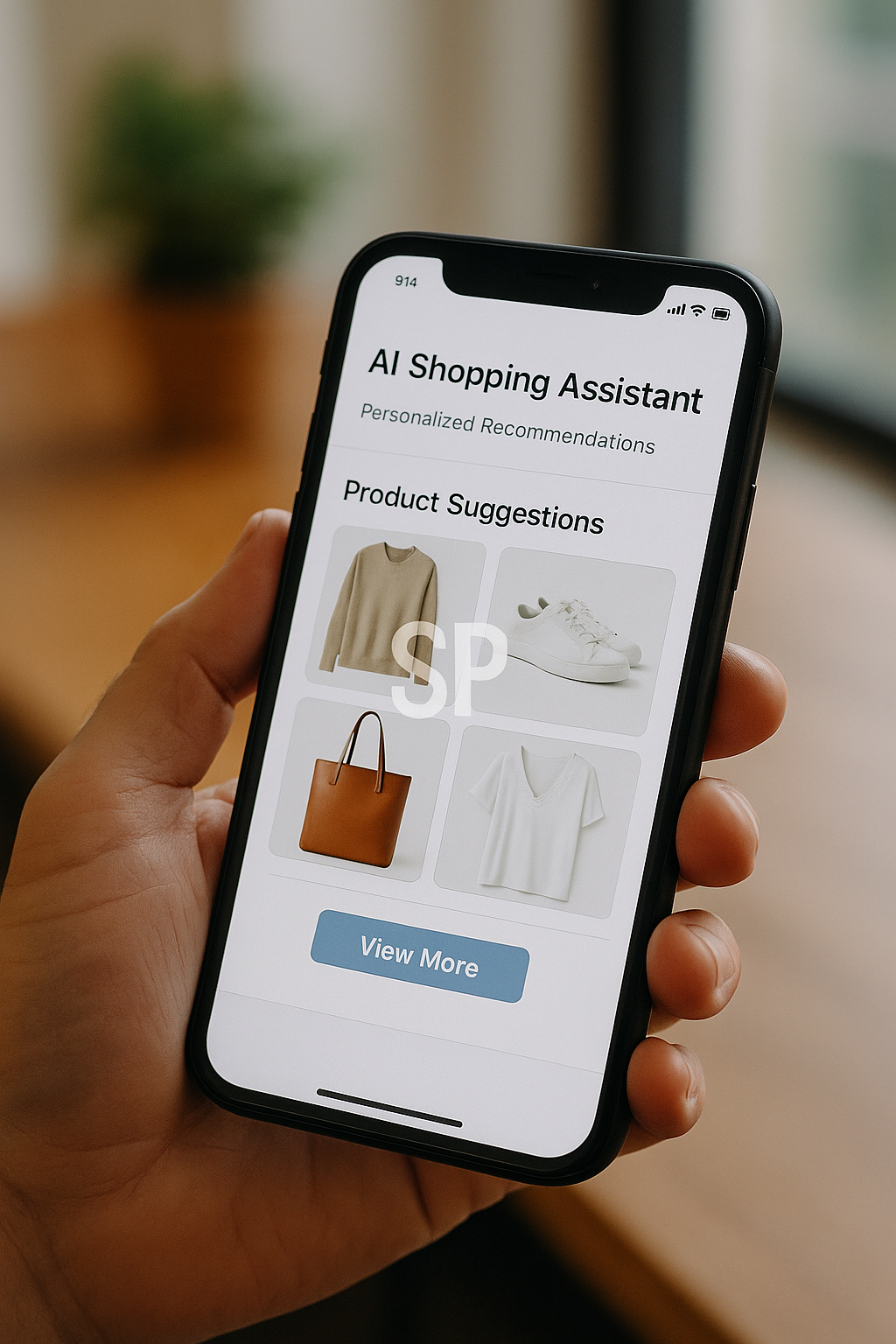
That’s where AI shopping comes in. Instead of endless scrolling, AI assistants analyze preferences, budgets, and habits to recommend the right products. From automating recurring orders to optimizing subscription costs, AI transforms shopping into a smarter, faster, and more personalized experience. Let’s explore long-tail insights into AI shopping tools, failures to avoid, and strategies that maximize value ^^
| Core Value | AI shopping tools personalize purchases, reduce decision fatigue, and save time 🌍 |
| Subscription Management | AI highlights unused services, cancels wasteful payments, and optimizes recurring costs ^^ |
| Decision Support | Summarizes product reviews and patterns → smarter, data-driven choices 🌱 |
| Common Pitfalls | Over-promotion of high-margin items 😅 → human oversight is essential |
| Marketing Impact | Predictive AI sends timely reminders, blending service with advertising 🌸 |
| Emerging Trends | Voice-enabled shopping, AI-managed reorders, financial health integration ^-^ |
| Future Vision | AI shopping evolves into a financial wellness assistant, aligning spending with budgets 🌟 |
1. Why AI Shopping Matters
AI shopping is more than convenience—it’s efficiency 🌱.
Algorithms analyze past purchases, browsing history, and even lifestyle data to create recommendations. This means fewer impulse buys and more alignment with actual needs. Retailers benefit from higher conversion rates, while consumers enjoy reduced decision fatigue.
2. Subscription and Automation Tools
One of the most powerful aspects of AI shopping is subscription optimization. ^^
AI monitors recurring expenses like streaming, groceries, or household goods and suggests adjustments. For example, if you’re not using your streaming service, AI can recommend pausing or downgrading the plan. Similarly, AI shopping carts can auto-reorder essentials like detergent or pet food, ensuring you never run out. ^-^
3. AI Shopping in Marketing Integration
AI is not only helping consumers but also reshaping how businesses market 🌟.
Recommendation engines tailor ads based on context, reducing wasted impressions. Personalized product suggestions increase trust, making customers feel understood. Some companies integrate chatbots that guide shoppers through entire buying journeys, improving satisfaction and loyalty.
4. Failures and Lessons Learned
But AI shopping is not foolproof 😅.
Some tools overwhelm users with irrelevant recommendations because of poor training data. Others misinterpret habits, like assuming one-time gifts are recurring needs.
👉 Lesson: Always give users control. AI should assist, not dominate. Allow easy adjustments to avoid frustration.
5. Practical Strategies for Smarter AI Shopping
Use AI dashboards to track and categorize expenses ^^
Automate low-value repetitive purchases (toilet paper, groceries) 🌸
Regularly audit subscriptions with AI tools
Combine AI shopping with budgeting apps for financial health
Keep human review—double-check AI suggestions before large purchases
Q. Can AI shopping save money, or does it just push more products?
A. Done right, it saves money by eliminating wasteful spending and optimizing subscriptions. Poorly designed AI can increase spending, so choose wisely.
Q. Is AI shopping secure for payments?
A. Reputable platforms use encrypted payment systems. Still, it’s wise to monitor accounts and avoid sharing unnecessary personal data.
AI shopping is not just about faster checkouts—it’s about smarter consumer choices 🌟. With the right mix of automation and human oversight, you can save time, reduce waste, and enjoy a shopping experience tailored perfectly to your lifestyle.
When people think about online shopping, the usual image is hours of scrolling through endless products. With AI shopping tools, that experience is starting to change dramatically. 🌍 Instead of browsing, many users now let AI assistants filter, predict, and even purchase on their behalf. The result is a blend of personalization and automation that saves both time and money.
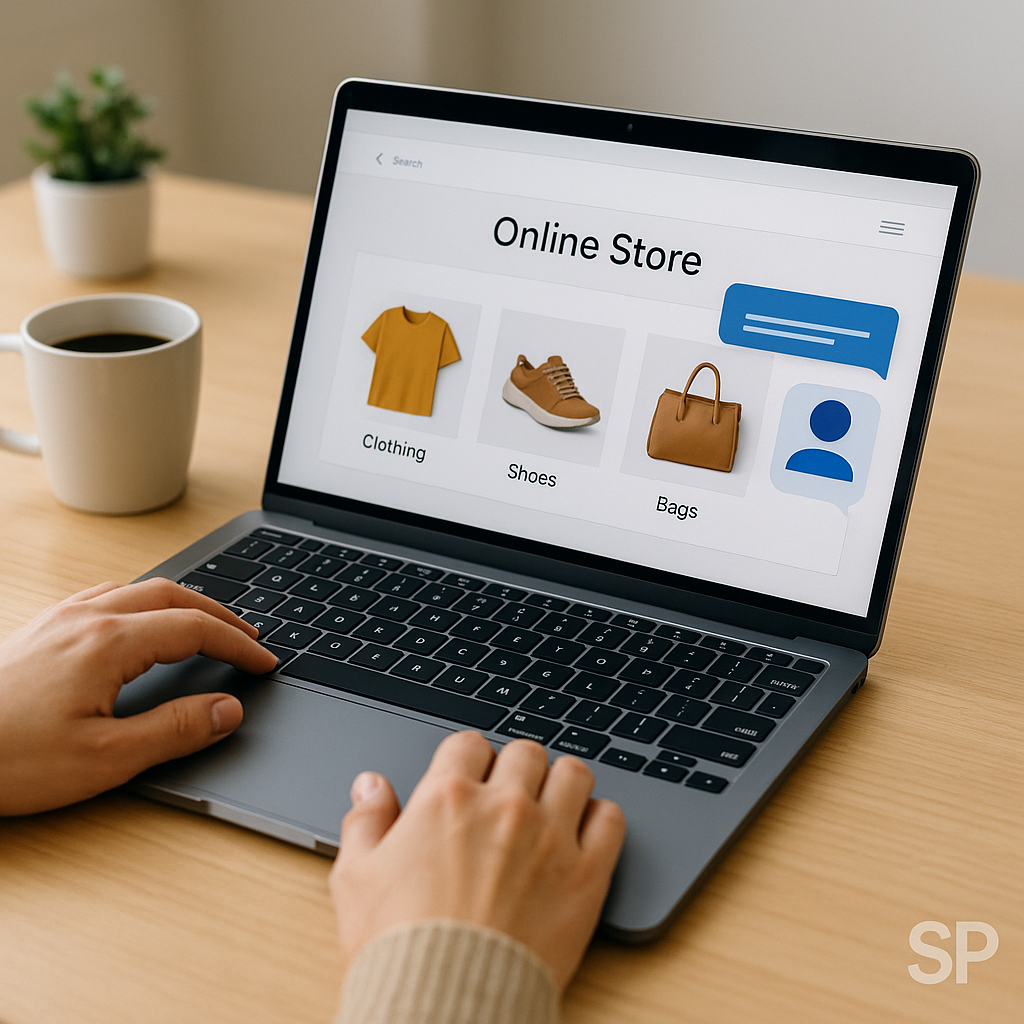
One of the clearest benefits comes in subscription management. Many of us sign up for streaming platforms, software, or delivery services and forget about them. 😅 AI shopping dashboards track these recurring payments and flag underused services. One user I spoke with discovered she was paying for three different cloud storage subscriptions she never used. After AI highlighted it, she cancelled two and saved over $200 a year. That kind of awareness is difficult without automation.
AI shopping also changes how we approach decision-making. Instead of reading hundreds of reviews, AI can summarize patterns: which products have durability issues, which brands excel in customer service, and which items consistently get high satisfaction scores. 🌱 This makes consumers more confident and reduces the chances of regrettable impulse buys. Think of it as having a friend who has already read all the reviews and gives you the highlights.
There are pitfalls, of course. Some AI recommendation systems push products based on profit margins rather than actual user need. This can feel manipulative. A colleague shared how his AI assistant kept recommending expensive headphones even though he only wanted budget options. This highlights why human oversight remains essential. AI can guide, but users must confirm alignment with their goals and budgets.
AI shopping also has a profound impact on marketing. Companies now use predictive AI to anticipate when a customer will need to reorder essentials. Instead of sending generic ads, they send a personalized reminder at the right time. 🌸 For consumers, this feels less like advertising and more like service. For businesses, it increases loyalty and retention. The line between shopping and assistance is blurring.
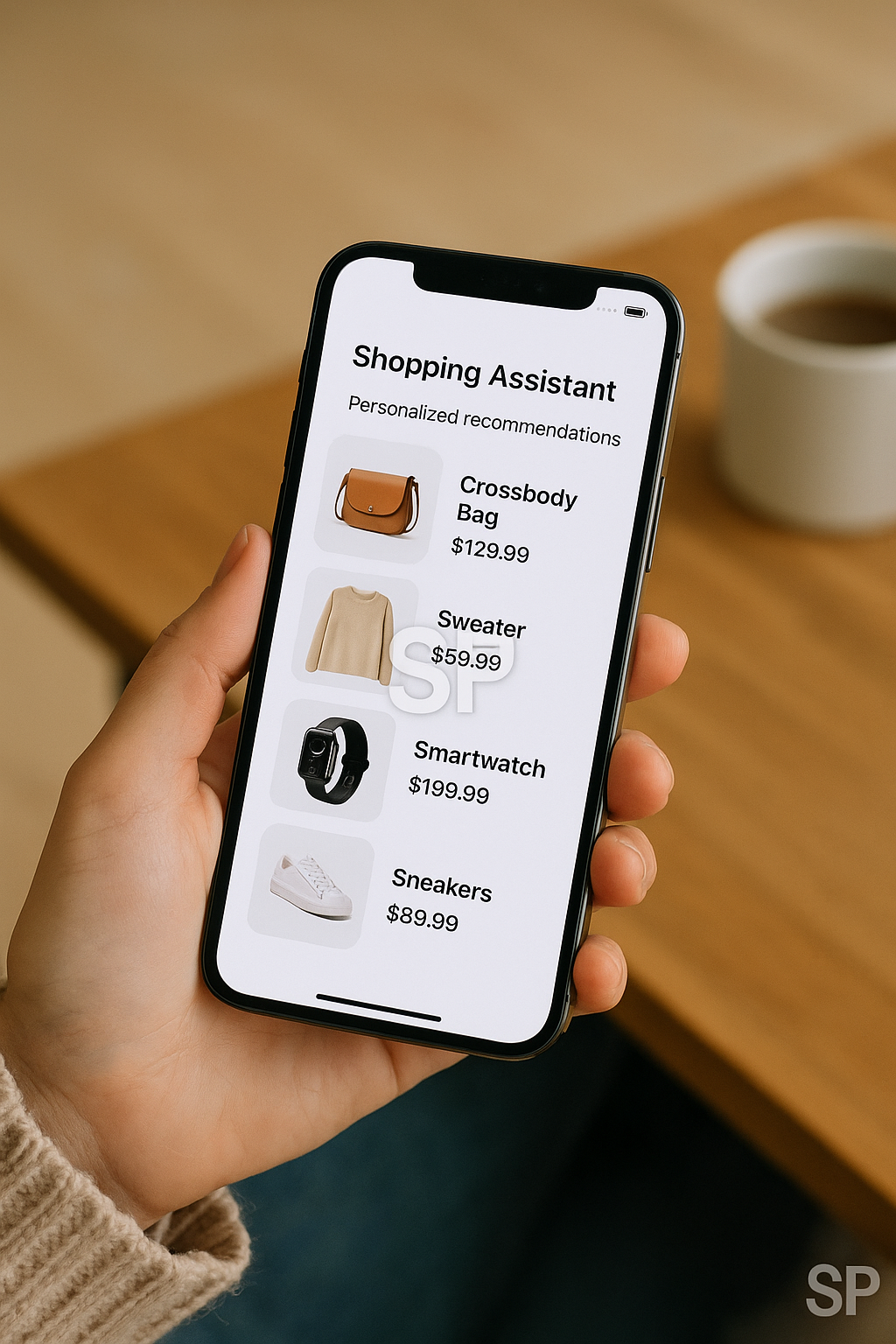
Another trend is voice-enabled shopping. Asking a smart speaker to “order coffee beans” and having the AI remember your favorite brand and delivery schedule makes the process frictionless. For busy professionals or parents, this isn’t just convenient—it redefines how shopping fits into daily life. But again, this convenience requires trust in secure payment systems and clear user control.
Looking ahead, AI shopping will likely integrate deeper into financial health. Imagine an AI system that not only manages your shopping but also aligns it with your budget and savings goals. Instead of telling you what you can buy, it could show you what you should buy to stay financially on track. ^-^ This is where AI shopping goes beyond consumption and becomes a financial wellness tool.
At its best, AI shopping combines automation with empowerment. It saves time by removing low-value tasks, like reordering basics, and enhances decision quality by analyzing data humans can’t process at scale. 🌟 The key, however, is balance: automation for efficiency, human judgment for direction. Together, they create a shopping experience that feels personal, sustainable, and truly smart.