Smart AI Shopping: How Automation and Subscriptions Save Time and Money
Hello everyone 👋 Have you ever noticed how much mental energy we spend on routine purchases? From groceries to household items, we often repeat the same buying decisions every week or month. In today’s world, where time is precious, AI-driven tools are transforming this habit into something smarter and more efficient. Automated shopping systems and subscription-based services are no longer luxuries—they’re becoming essential strategies for anyone who values both savings and convenience.

When I first tried AI shopping assistants, I wasn’t sure if I could trust the algorithms. Could they really pick the right items, and would I actually save money? Over time, I realized that AI is not about removing personal choice, but about eliminating repetitive decisions. By automating the predictable and leaving room for flexibility, AI shopping creates a routine that feels both effortless and surprisingly cost-effective. Today, I want to share how automation, subscription optimization, and even referral strategies can help you build a smarter consumer lifestyle.
1. Automating Everyday Purchases
The first benefit of AI shopping is automation. Imagine never running out of essentials like toothpaste, laundry detergent, or coffee. AI tools can track your consumption patterns and reorder items before you even realize you’re low. This reduces last-minute store trips and impulse spending, which often leads to wasted money.
👉 Example: My grocery app automatically orders rice and cooking oil based on my average usage. Not only did it prevent stockouts, but I also noticed a 15% decrease in overspending.
2. Subscription Optimization
Subscriptions are convenient, but without proper management, they can silently drain your budget. AI now helps identify unused or duplicate services, recommending cancellations or downgrades. Some platforms even compare your usage to alternative plans, suggesting cheaper but equally effective options.
👉 Real-life case: A friend of mine used an AI subscription tracker and discovered she was paying for three different streaming platforms but only used one regularly. Canceling the extras saved her $25 monthly, which adds up to $300 a year.
3. Building Smart Consumer Routines
AI shopping isn’t about one-time savings—it’s about building routines that sustain efficiency. By setting clear rules (like monthly grocery delivery or quarterly bulk purchases), you reduce decision fatigue and align your spending with actual needs. These small systems become habits, and soon your lifestyle feels lighter and more predictable.
4. Referral and Rewards Strategies
Many automated shopping platforms now integrate referral programs. By sharing your subscription link with friends, you often receive discounts or credits. While it may sound small, stacking these rewards can significantly reduce overall expenses. I once referred three friends to a meal kit subscription and earned free deliveries for a month, saving almost $80.
5. Avoiding Pitfalls and Common Mistakes
Of course, automation can backfire if left unchecked. Sometimes the AI reorders too early or recommends items based on outdated data. To avoid this, I set monthly reviews where I check purchase histories and tweak preferences. This way, I stay in control while still enjoying the benefits of automation.
Bonus Insight: The Emotional Side of Smart Shopping
Interestingly, automation also reduces decision stress. I used to feel guilty about overspending or forgetting essentials. Now, with AI handling repetitive choices, I feel more relaxed and free to focus on things that truly matter—like work, hobbies, and personal growth.
AI-powered consumer routines are not about giving up control—they’re about designing a system where your everyday needs are met smoothly, with less waste and more savings. 🛒✨ Whether through subscriptions, automation, or referral strategies, smart shopping is quickly becoming a lifestyle essential.
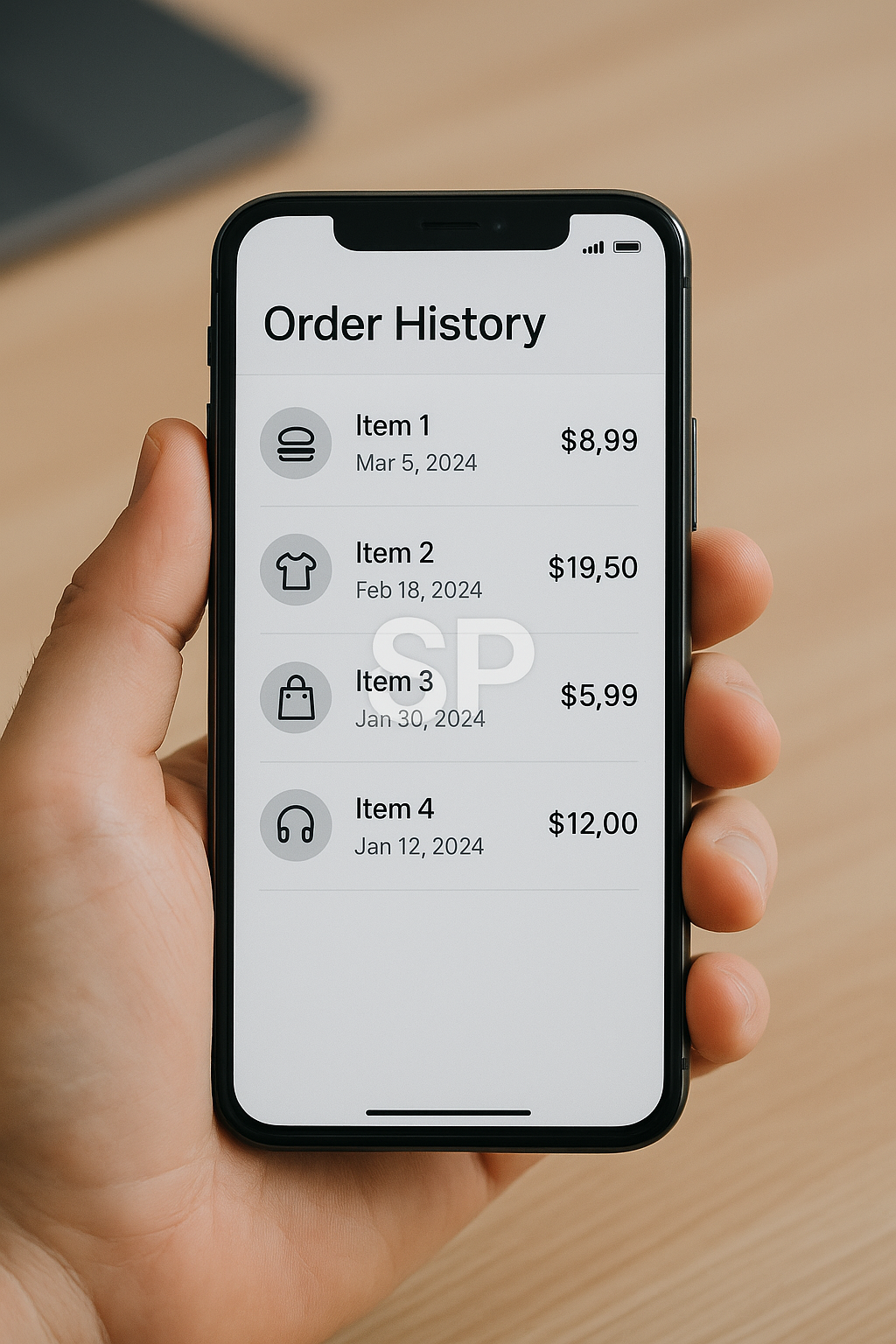
One of the biggest advantages I’ve discovered with AI-driven shopping is how it changes the way I view consumption. In the past, I often made purchases reactively—waiting until something ran out and then rushing to buy it. Now, with automation, the process feels proactive. Essentials are replenished before they disappear, which not only saves time but also reduces stress. This shift alone has made my lifestyle noticeably calmer and more predictable.
Another lesson I’ve learned is the importance of balancing automation with personal oversight. While it’s tempting to let AI handle everything, periodic reviews are essential. For instance, I once noticed that my subscription box kept delivering items I no longer needed because my preferences had changed. By checking and adjusting monthly, I could make sure that automation worked for me rather than against me. It reminded me that technology is most powerful when paired with mindful habits.
Subscriptions also feel different under AI management. Instead of dreading the monthly bills, I now see them as tailored services that fit my real usage. Last year, I trimmed three unnecessary subscriptions with the help of an AI tracker, and the money I saved went toward investing in healthier meal plans and online courses. That reallocation of funds gave me a sense of empowerment—proof that smart consumption is not about limiting yourself, but about channeling resources more wisely.
The referral strategies added an unexpected bonus. At first, I thought referral programs were gimmicks, but they turned out to be surprisingly effective. A few shared links to friends and colleagues turned into consistent discounts. Over time, these small credits stacked up, cutting my overall monthly expenses by nearly 10%. It’s a reminder that community and sharing are becoming key parts of the modern consumer ecosystem.
Most importantly, AI shopping has reshaped how I think about value. It’s no longer only about finding the lowest price, but about creating routines that maximize time, reduce waste, and align spending with my goals. There’s a kind of invisible freedom in knowing that essentials are taken care of automatically, leaving more room for creativity and personal growth. 🌱
For anyone still hesitant, I’d say start small: try automating just one or two products you use regularly, or track your subscriptions for a month. Once you see the difference, it becomes natural to expand. Smart shopping is not about replacing human choice—it’s about elevating it through thoughtful systems powered by AI.