AI-Powered Smart Shopping Habits: How to Save Money and Time with Automation
Hello everyone 👋 Shopping has always been part of daily life, but the way we shop is evolving faster than ever. Between endless subscription services, online marketplaces, and delivery apps, it’s easy to lose track of where money goes. That’s where AI-powered smart shopping habits come in. Instead of juggling every decision yourself, AI can automate repetitive choices, recommend better deals, and even predict your needs before you realize them.
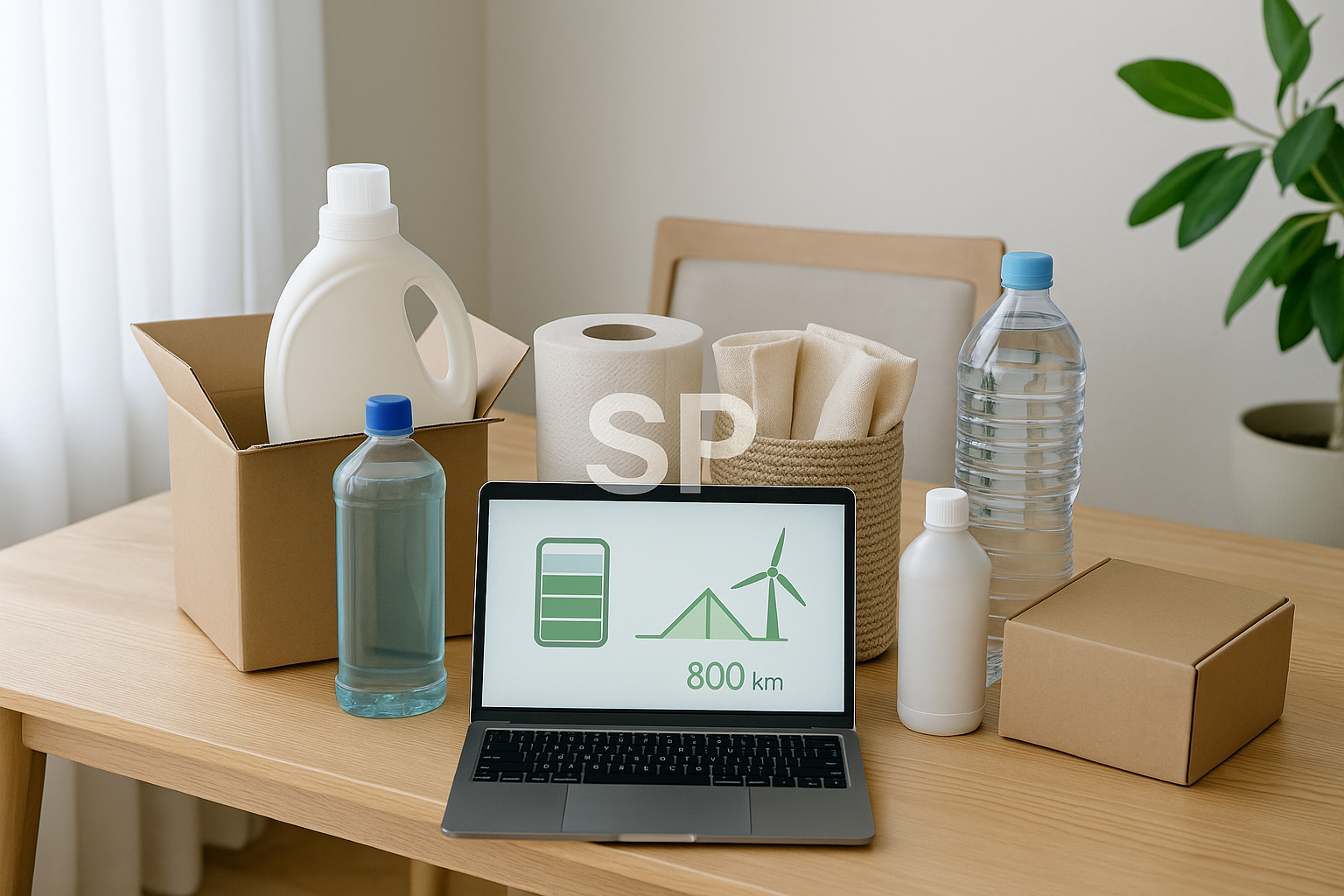
When I first experimented with AI shopping tools, I wasn’t sure how useful they would be. But after months of testing, I noticed something remarkable: my spending became more intentional, my pantry never ran out of essentials, and I saved hours each week. Today, I want to share how you can build smart shopping routines using AI—practical steps that blend convenience with genuine financial savings.
Automating Routine Purchases
The simplest habit is automating essentials. AI can analyze past behavior and reorder items like toothpaste, detergent, or coffee before they run out. Instead of last-minute store trips, orders arrive on time with minimal effort.
👉 Example: My grocery app now predicts when I’ll need rice or cooking oil. It not only prevents stockouts but also reduces impulse buys.
Optimizing Subscriptions
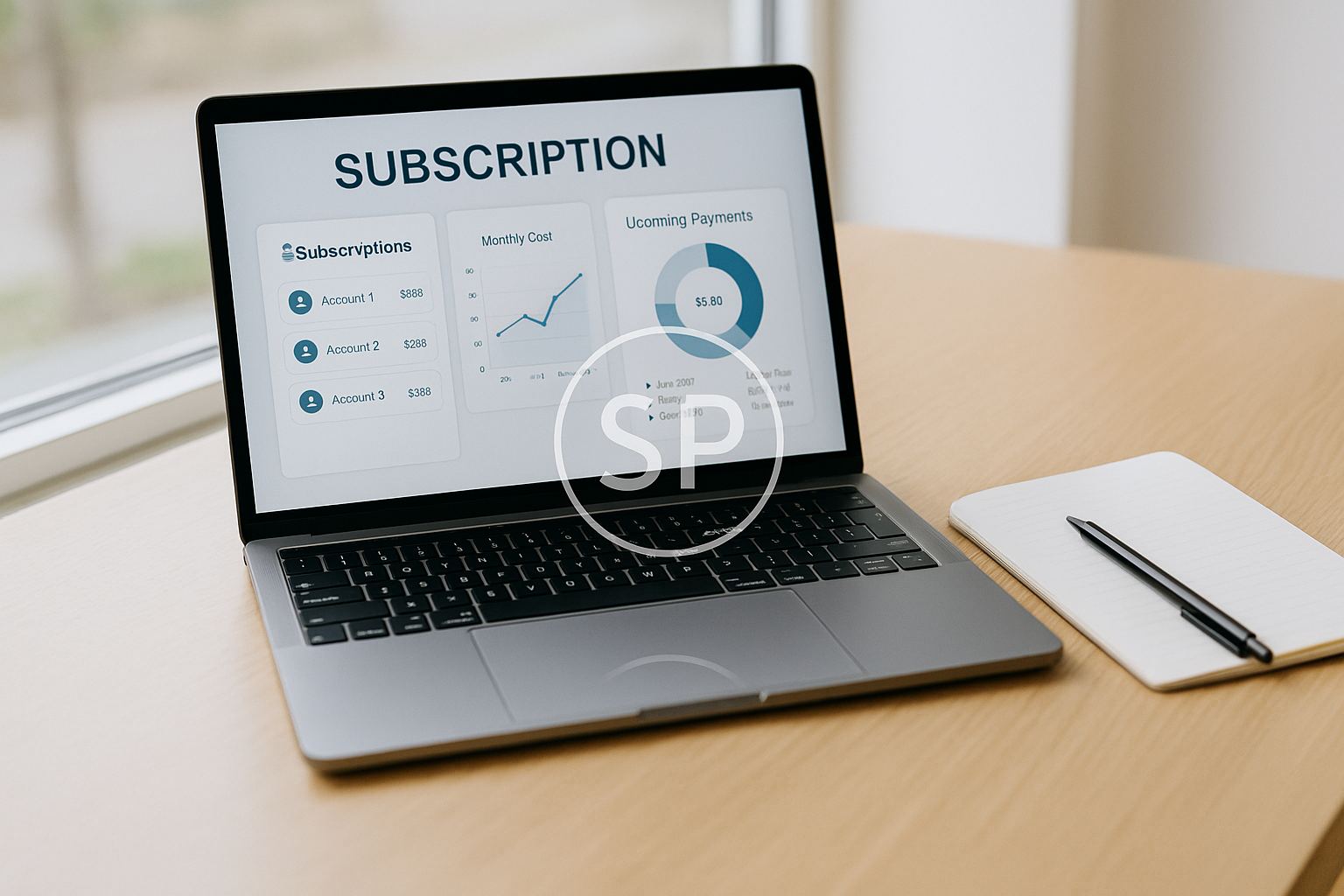
Many of us overspend on subscriptions we rarely use. AI subscription managers track usage and recommend cancellations or downgrades. I once discovered I was paying for three streaming services but regularly used only one. Canceling the others saved me $25 per month—nearly $300 per year.
Price Tracking and Smart Alerts
AI shopping tools monitor price fluctuations across retailers. Setting alerts for desired products ensures you buy at the best time. I saved nearly 20% on a laptop simply because an AI tracker notified me of a weekend discount.
Personalized Shopping Routines
What surprised me most was how AI personalized recommendations beyond “sales.” It adjusted suggestions based on my dietary preferences and even highlighted eco-friendly brands. Over time, these nudges shifted my spending toward healthier and more sustainable choices.
Avoiding Common Pitfalls
Automation isn’t foolproof. Sometimes AI reorders too early, or recommendations push unnecessary products. To prevent this, I review my AI dashboards weekly to ensure the system aligns with my real needs.
Lessons from Experience
Automating too much at once caused confusion; start with one category.
Ignoring small recurring charges added up; subscription reviews are essential.
Human oversight remains necessary—AI is powerful but not perfect.
The Emotional Side of Smart Shopping
Beyond savings, AI gave me peace of mind. 🌱 Instead of stressing over forgotten items or wasted money, I trust a system that quietly supports my routine. That freedom lets me focus on more meaningful parts of life.
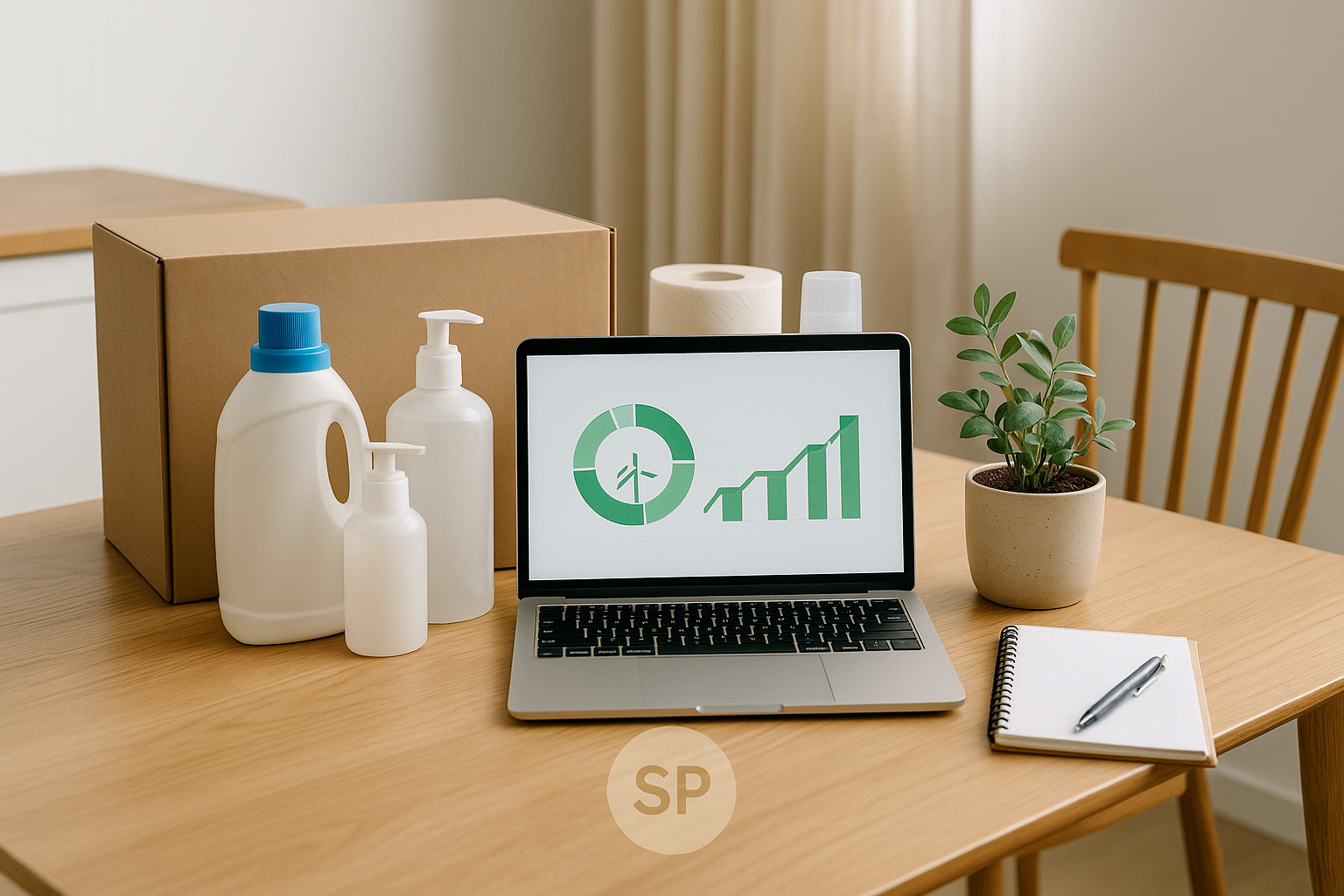
AI-powered smart shopping habits aren’t about giving up control—they’re about designing systems that handle the routine so you can focus on what matters. By combining automation, subscription management, and smart alerts, you can build a lifestyle that saves both money and time.
At first, I was skeptical about letting AI handle my shopping. I worried it would order things I didn’t need or push unnecessary products. But once I started slowly—just automating a few essentials like coffee and laundry detergent—I realized how effective it could be. The deliveries arrived exactly when I needed them, and I didn’t waste time running to the store. That simple change gave me the confidence to expand automation to other categories.
One of the biggest breakthroughs came when I started tracking my subscriptions with AI. Before, I always felt guilty about recurring charges but didn’t have the patience to manually check every service. The AI manager flagged unused subscriptions, and canceling them freed up more money than I expected. What used to feel like wasted spending now feels under control.
Another habit I developed was weekly oversight. Every Sunday, I review the AI shopping dashboard: which items were reordered, which prices dropped, and which subscriptions are due. It takes less than 10 minutes, but it gives me a sense of security. Without that routine, automation can drift away from my real needs.
Of course, I’ve made mistakes. I once let the system auto-reorder snacks I had barely touched the month before. It taught me that while AI is powerful, it still needs human judgment. Now, I set stricter rules—only essentials get automated, while optional items stay manual.
Over time, I noticed something unexpected: my spending habits shifted naturally. Instead of reacting to sales or impulse buys, I relied on data-driven suggestions. I ended up buying less but better—choosing sustainable products, healthier food, and avoiding clutter. The emotional relief of knowing my money is working smarter, not harder, has been just as valuable as the savings. 🌱
For anyone curious about AI-powered smart shopping habits, I’d say start small, keep oversight routines, and let the system adapt with you. It’s not about losing control—it’s about designing a shopping routine that quietly saves money, reduces stress, and supports your lifestyle.