AI Shopping Assistant: Smarter Consumption and Subscription Management in 2025
In today’s fast-paced digital world, managing consumption has become as important as earning money. With the explosion of online stores and subscription services, many people find themselves overspending or forgetting about recurring charges. This is where the AI shopping assistant enters the scene—an intelligent tool designed to optimize how we buy, track, and save.
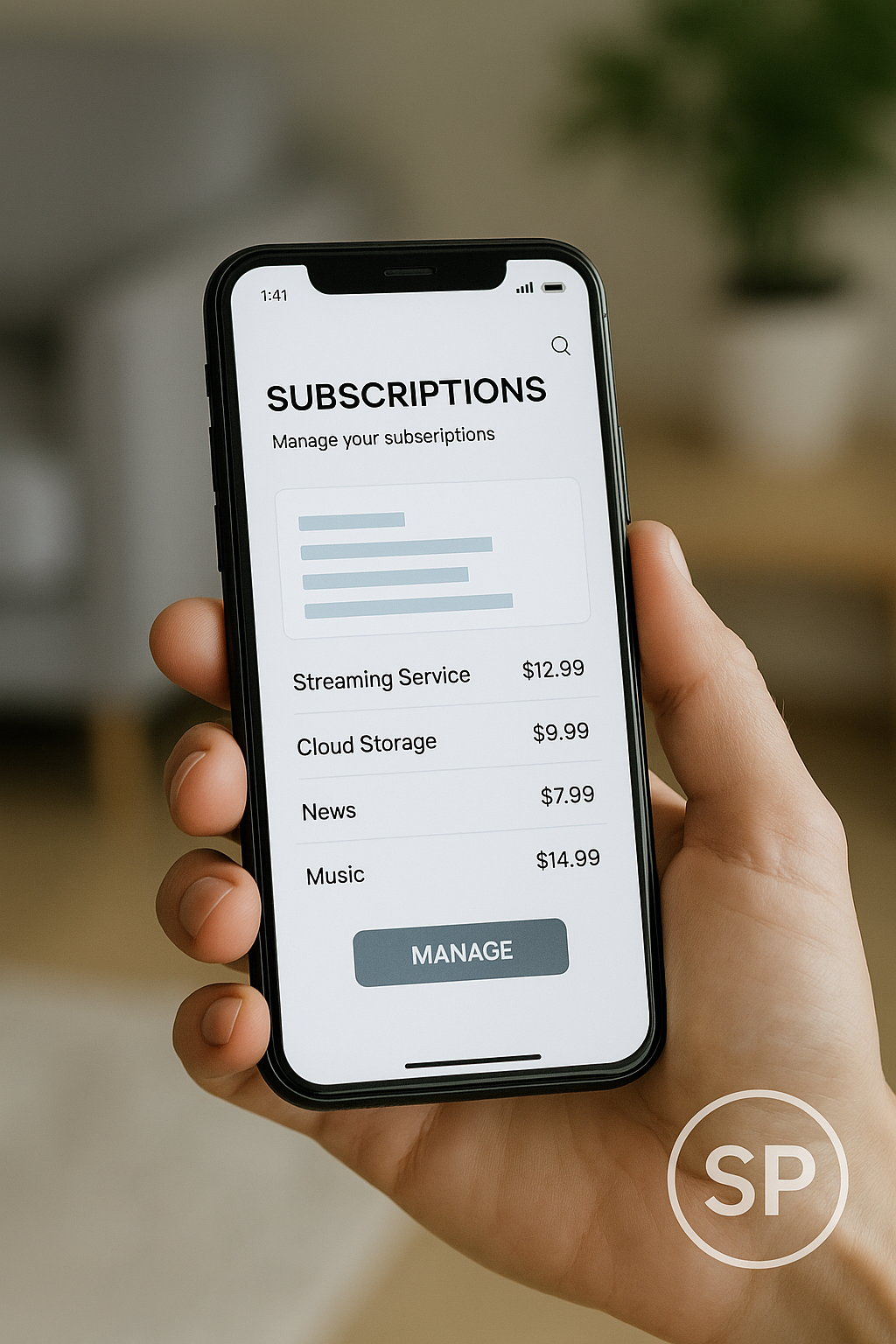
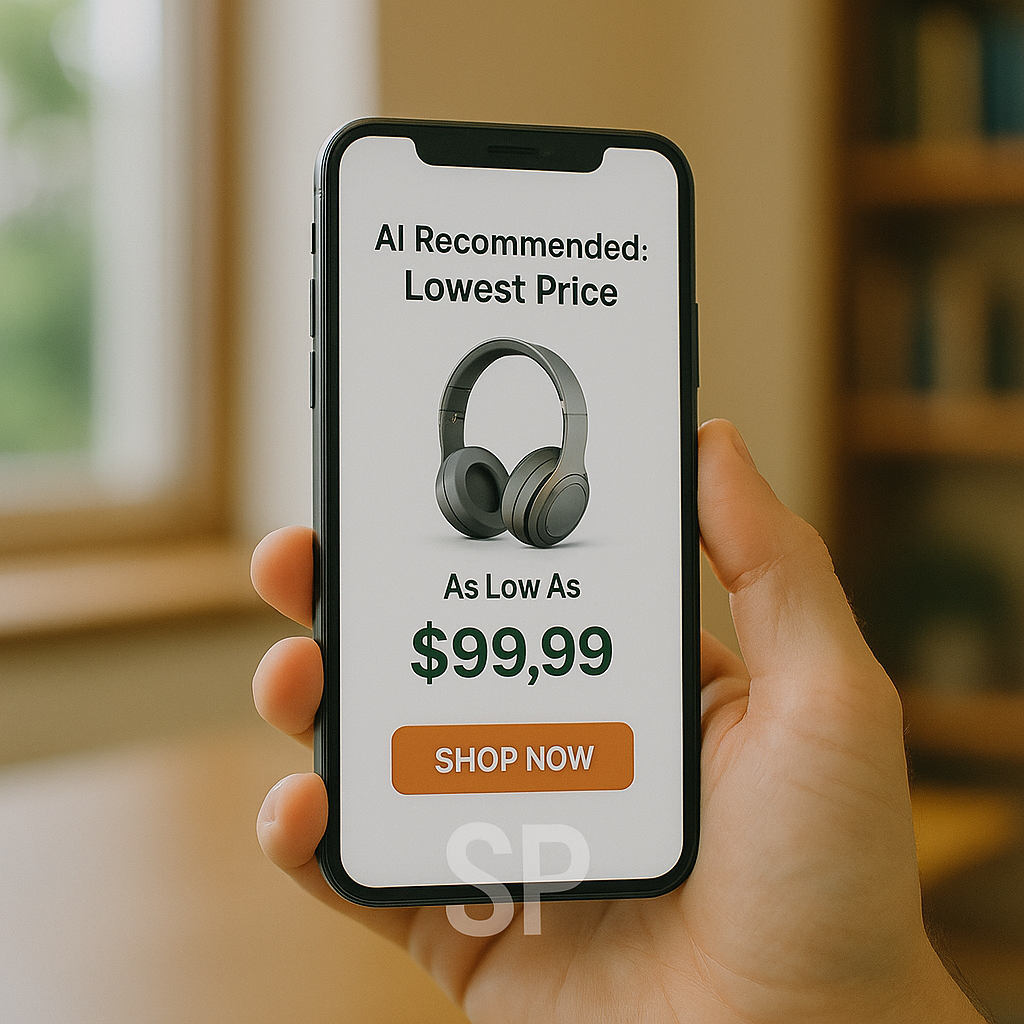
The biggest advantage of an AI shopping assistant is automation. Instead of manually searching for deals or tracking subscription dates, the assistant scans through data in real time. It alerts you when a price drops, suggests alternatives with better value, and even cancels unused subscriptions on your behalf. For many, this technology is like having a personal finance coach built directly into their shopping routine.
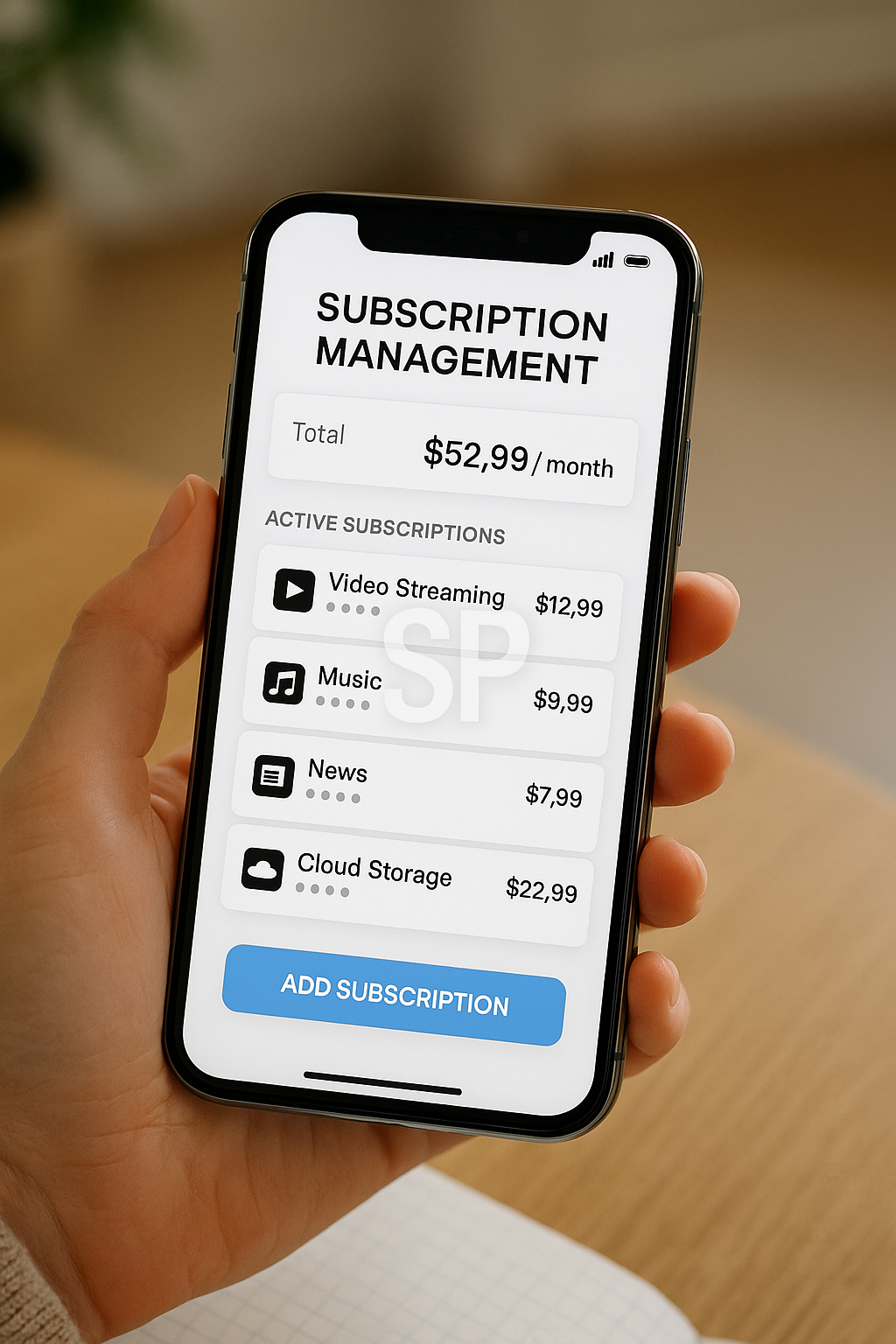
Another key area is subscription management. On average, consumers subscribe to more than ten digital services, from streaming platforms to software tools. Many forget to cancel free trials or pay for overlapping services. An AI shopping assistant solves this by centralizing subscriptions, showing monthly costs at a glance, and recommending ways to consolidate. This simple step can save hundreds of dollars per year.
Beyond budgeting, these assistants also support smart consumption. By analyzing your shopping history, they learn your preferences and help avoid impulsive purchases. Instead of chasing every sale, the AI filters out noise and presents items that match your lifestyle goals. Over time, this leads to healthier spending habits and less clutter at home.
For businesses, AI shopping assistants represent a new channel of AI automation. Retailers can integrate with these platforms to provide personalized offers directly to consumers who are most likely to buy. This creates a win-win situation: customers save time and money, while companies improve conversion rates with targeted promotions.
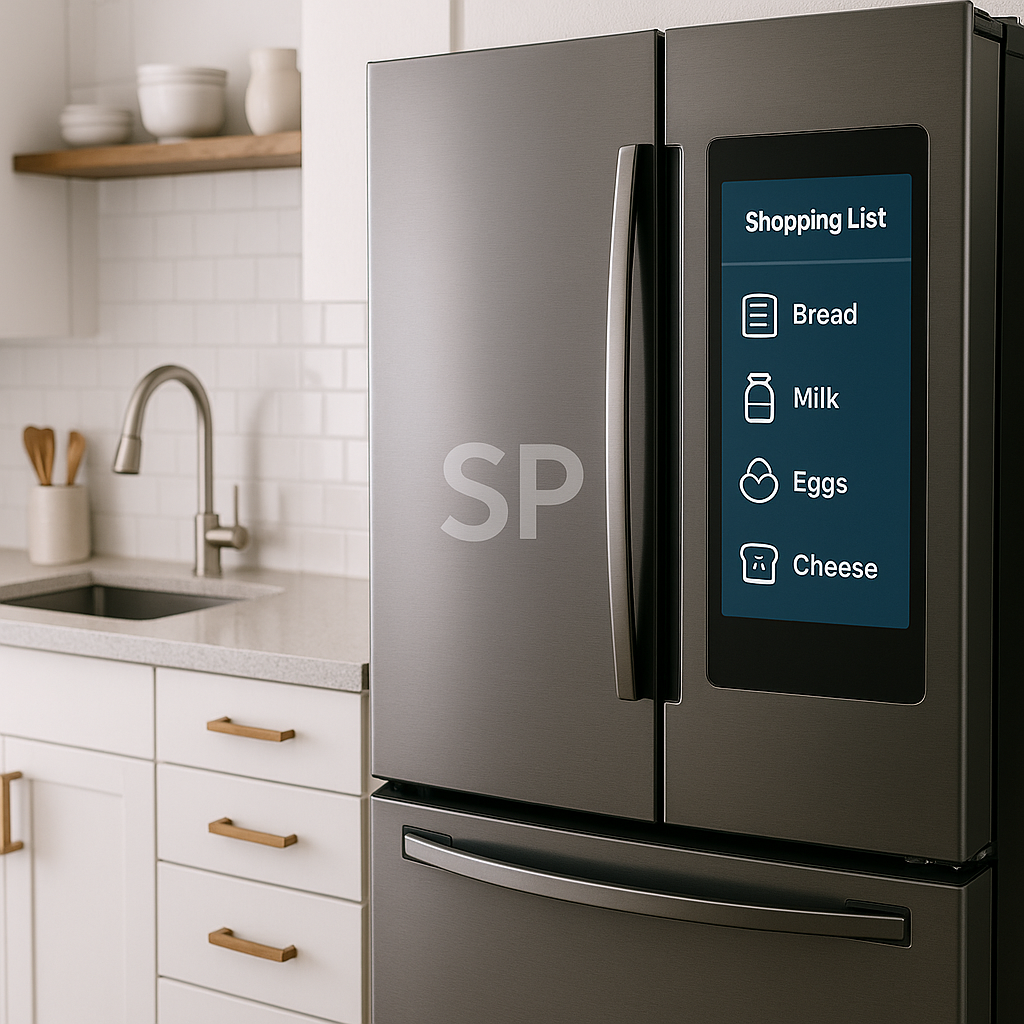
The future of AI shopping assistants looks even more promising. Soon, they will integrate with smart home devices, automatically ordering groceries when supplies run low or adjusting delivery schedules to fit your calendar. Imagine a fridge that tells your assistant you’re out of milk, and by the time you get home, it’s already been delivered.
However, challenges remain. Privacy concerns are at the top of the list, since these tools require access to sensitive financial and shopping data. Responsible AI design, encryption, and transparent consent will be crucial to building trust. When implemented properly, these assistants can empower consumers rather than exploit them.
In summary, adopting an AI shopping assistant is about more than convenience—it’s about creating a long-term strategy for smarter living. By automating subscriptions, optimizing purchases, and preventing waste, these tools help people reclaim control over their finances and focus on what truly matters. In 2025, smart consumption is no longer optional; it’s the new standard.
The concept of an AI shopping assistant goes far beyond a simple chatbot or coupon finder. In 2025, these tools are evolving into full-fledged financial partners that help people reclaim control over their daily expenses. For many consumers, shopping is no longer just about convenience; it’s about making smarter decisions that align with personal goals and budgets.
One of the most transformative features is predictive analysis. By studying past purchases and seasonal trends, an AI assistant can anticipate when you’ll need to restock certain items and recommend the best time to buy. For example, if you typically buy contact lenses every two months, the assistant can alert you when a bulk discount is available, saving both money and time. Over the long term, these small optimizations add up to meaningful savings.

Another overlooked benefit is sustainability. An AI shopping assistant can highlight eco-friendly options, steer you away from unnecessary packaging, or recommend local sellers that reduce carbon footprints. In an era where consumers are more conscious about the planet, this alignment between smart consumption and environmental responsibility is especially powerful. Smart choices don’t just protect your wallet—they also support a healthier planet.
Personalization is another strength. Unlike generic search engines, an AI assistant learns your unique lifestyle. If you’re a fitness enthusiast, it prioritizes athletic gear and nutrition deals. If you’re a student, it highlights budget-friendly software and study tools. Over time, this personalization helps avoid the fatigue of endless scrolling through irrelevant products, making shopping a more intentional and less overwhelming activity.
Subscription management continues to be one of the most valuable features. Studies show that the average household spends over $200 annually on forgotten or unused subscriptions. With an AI shopping assistant, you can see all recurring charges in one dashboard, set reminders for upcoming renewals, and even cancel unnecessary services automatically. This transparency creates a sense of control that many people feel they’ve lost in the subscription economy.
Businesses, too, are finding opportunities in these platforms. Retailers that integrate with AI shopping assistants can deliver hyper-targeted promotions directly to customers. Instead of broad advertising campaigns, they reach buyers who are already interested, increasing conversion rates while reducing ad waste. For small businesses, this levels the playing field, giving them access to audiences once dominated by corporate giants.
Of course, no technology is without challenges. AI automation in shopping must balance efficiency with ethics. Over-personalization can sometimes feel invasive, and consumers may worry about how their data is stored and shared. To succeed, developers need to prioritize transparency, allow users to control data permissions, and clearly communicate the benefits. Trust will be the foundation of widespread adoption.
Looking forward, AI shopping assistants are expected to merge seamlessly with smart homes and wearables. Imagine your smartwatch notifying you that your coffee beans are running low and asking if you’d like to reorder, or your fridge automatically syncing with your assistant to create a weekly grocery plan. This level of automation has the potential to completely redefine consumer behavior, moving from reactive shopping to proactive resource management.
In the end, the promise of an AI shopping assistant lies not just in making life easier, but in reshaping how we think about consumption. Smarter shopping means more financial freedom, less waste, and better alignment between what we buy and what we truly need. For consumers in 2025, adopting these tools is less about novelty and more about survival in a digital economy where efficiency and awareness are everything.