Smart AI Shopping Routines 2025: Automating Subscriptions and Referral Strategies
Hello everyone, how’s your day been so far? ^^
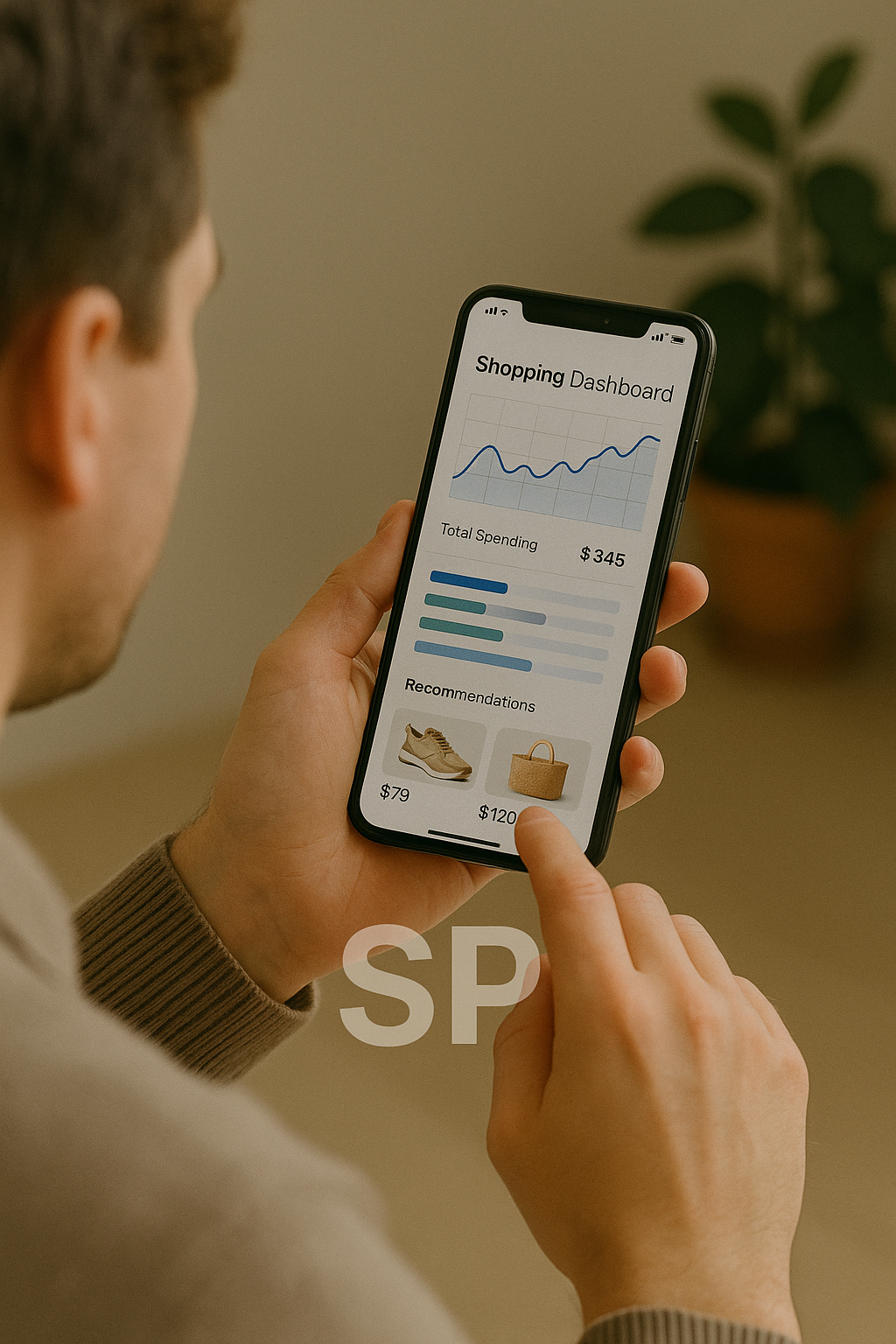
Lately, one of the most exciting conversations around personal finance is how artificial intelligence is reshaping consumer habits. Gone are the days when shopping was just about searching for deals manually. In 2025, AI shopping routines are making consumption smarter, more personalized, and even profitable.
From automating subscriptions to leveraging referral strategies, consumers now have tools that save money, save time, and even build small income streams. Let’s explore how these trends are unfolding and what they mean for individuals and small teams. 😊
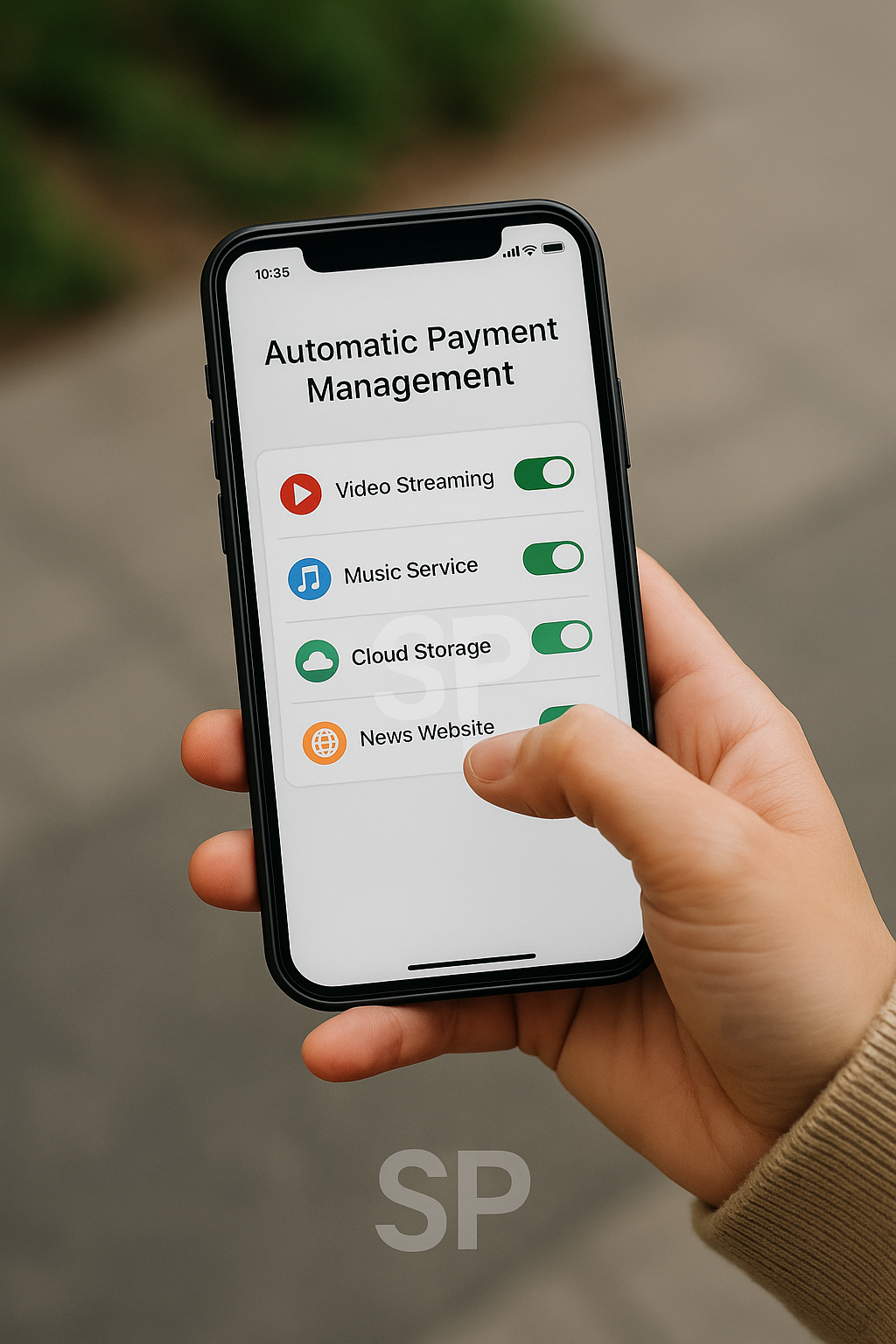
The first big shift comes from subscription optimization. Think about how many subscriptions the average household manages: streaming, fitness apps, meal kits, cloud storage. AI-powered dashboards can now analyze usage patterns and recommend which subscriptions to keep, pause, or cancel. For example, if you’re barely opening a streaming app, the system flags it and suggests replacing it with something more relevant. A case study in the U.S. showed families saved an average of $480 per year simply by letting AI track and optimize their recurring payments. Isn’t that the kind of quiet efficiency we all wish for?
Another transformation is automated shopping lists and replenishment. Imagine you never have to remember when to reorder essentials like detergent or coffee. Smart assistants track consumption rates and automatically schedule deliveries just before you run out. Some even integrate with price-comparison APIs to ensure you’re always paying the lowest rate available. One user reported that after switching to AI-managed reorders, she reduced grocery waste by 20% and cut costs by 15%. This turns routine errands into effortless, budget-friendly habits.
Let’s not forget about the referral economy. AI shopping platforms now nudge users toward sharing referral links at exactly the right time. For instance, when you’re satisfied with a new product, the system generates a personalized referral message you can send to friends. Instead of random spam, it feels like natural word-of-mouth. Over time, these small bonuses add up. A student in London shared that by strategically using AI-managed referral links, he covered half of his monthly subscription fees. Small earnings, yes, but they accumulate into a meaningful offset.
Data-driven price prediction is another game-changer. AI tools analyze historical trends, seasonal discounts, and stock levels to tell you whether it’s the right moment to buy. Imagine planning to buy an electric toothbrush and your AI assistant says, “Wait two weeks—prices typically drop 15% after this holiday.” Acting on such signals, consumers save more without lifting a finger. Retailers know this too, so they’re competing to integrate smarter pricing, creating a feedback loop where both buyers and sellers adopt AI.
That said, challenges remain. One issue is privacy. AI shopping assistants rely on collecting sensitive data—your purchase history, habits, and even browsing behavior. Without strong safeguards, this information could be misused. Consumers should always check whether platforms provide transparent data policies. A user from Germany mentioned she feels comfortable only when the platform explicitly allows her to delete data anytime. Trust becomes a key currency in this ecosystem.
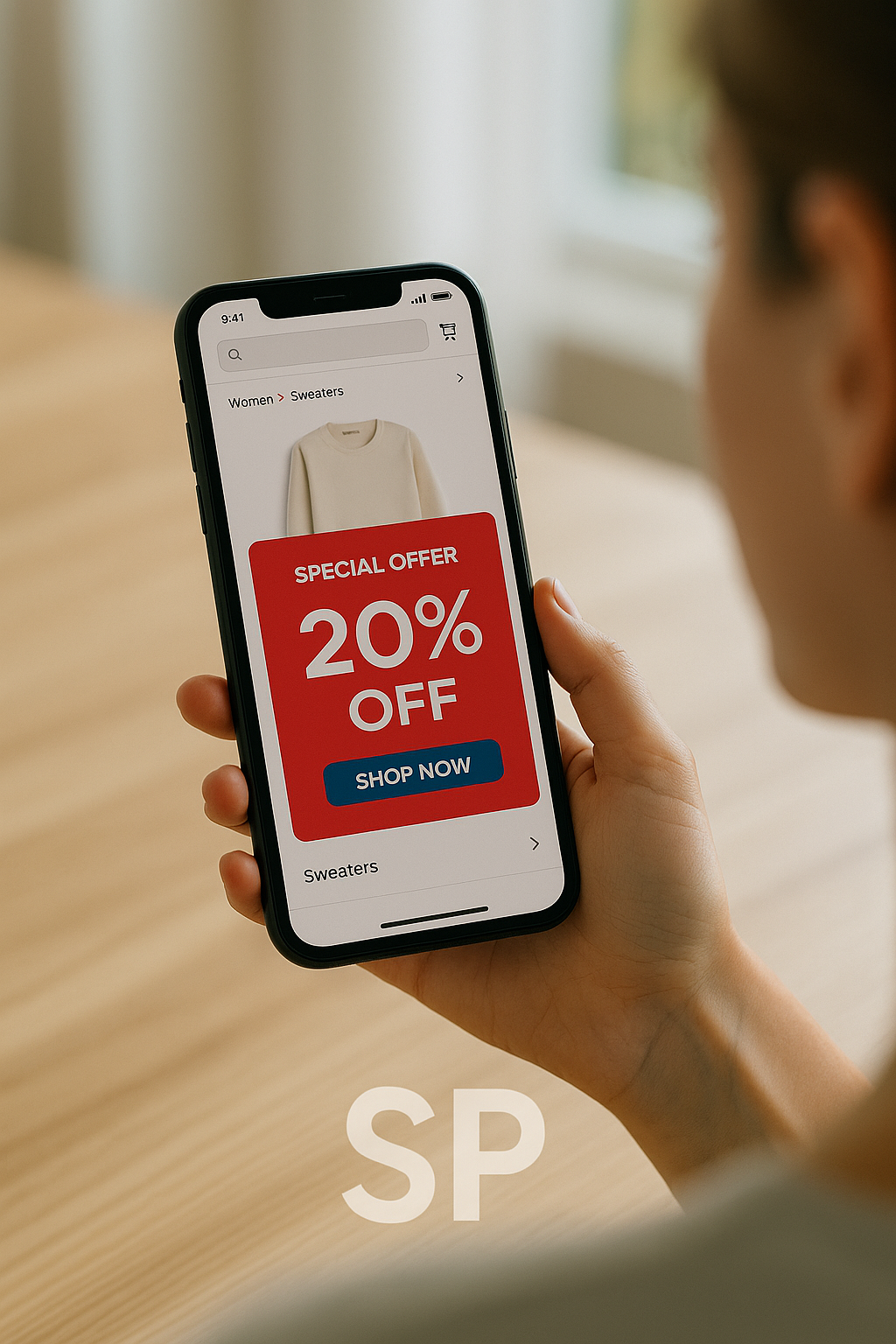
Looking forward, we’ll see hyper-personalized shopping ecosystems. Instead of juggling ten different apps, imagine one AI layer curating everything: subscriptions, reorders, recommendations, and referrals. This system would learn not only your spending but also your life context—predicting that you might need travel insurance if you’ve booked flights, or suggesting healthier food plans if your medical check-up showed high cholesterol. This future blends convenience with holistic well-being.
In the end, smart AI shopping isn’t just about cutting costs. It’s about building routines that feel effortless while optimizing both money and time. For consumers, especially those managing multiple responsibilities, automation creates breathing room. And when paired with referral bonuses and predictive analytics, it can even generate micro-income streams.
So, what’s your perspective? Would you trust an AI system to handle your monthly subscriptions, grocery lists, and referrals? Or do you prefer keeping control manually? Share your thoughts—I’d love to hear how AI shopping could reshape your daily routine in 2025. ^-^