Smarter Shopping with AI: Automated Purchases and Subscription Optimization
In today’s digital economy, shopping has evolved far beyond the traditional trip to the store. Artificial intelligence is now at the center of a consumer revolution, making it possible to automate purchases, manage subscriptions, and even take advantage of referral programs with unprecedented efficiency. These AI-driven routines save time, reduce unnecessary spending, and ensure you never miss a deal.
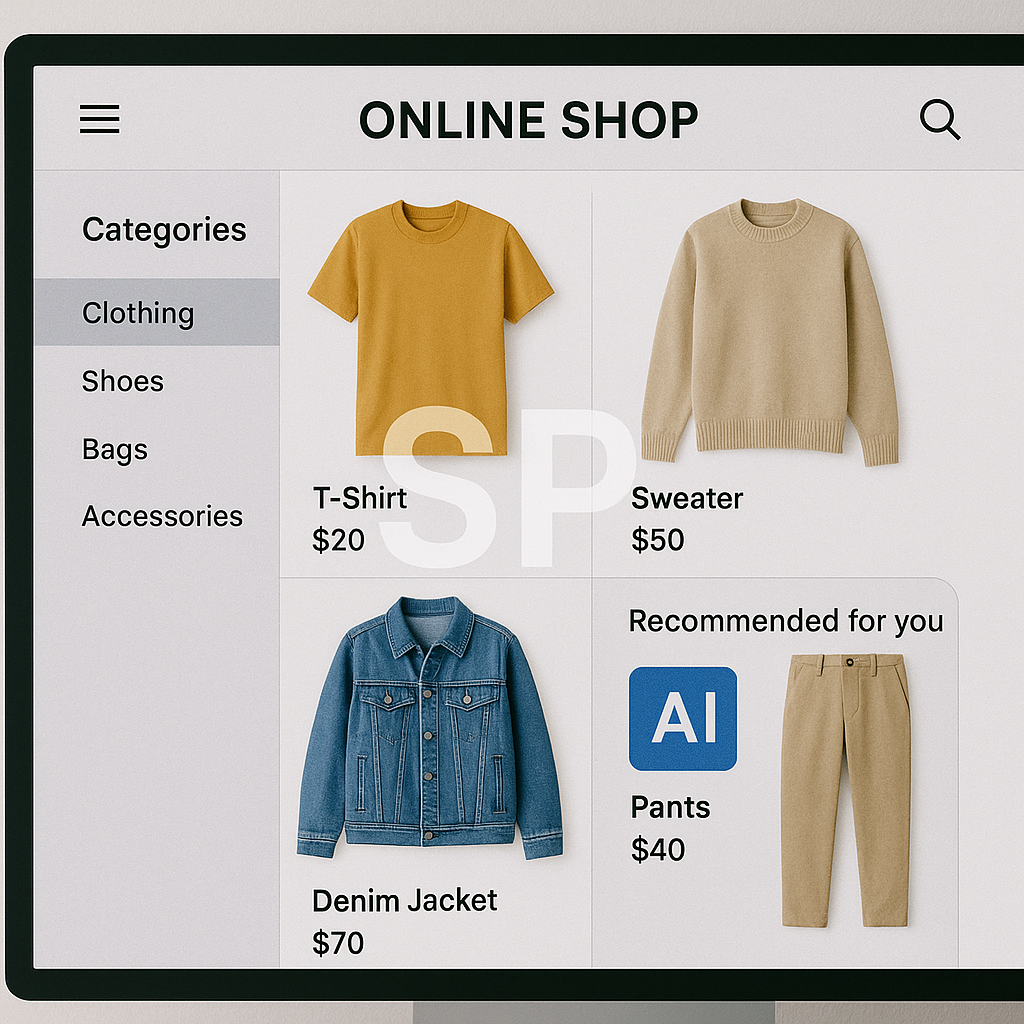
The core of AI-based smart shopping is automation. By integrating AI assistants with online retailers, you can set up recurring orders for essentials—everything from household supplies to digital services. Instead of manually checking your stock or calendar, the AI monitors your consumption patterns and places orders right on time. This eliminates the stress of running out of critical items and prevents impulse purchases.
Subscription optimization is another game changer. Many people pay for services they barely use—streaming platforms, software licenses, premium memberships. AI tools can track your usage data and highlight underutilized subscriptions, giving you the choice to downgrade, pause, or cancel. On the flip side, they can also suggest bundled plans that reduce overall costs while providing the same or better value.
Referral strategies are where smart shopping moves into earning territory. AI can identify programs that reward you for referring friends, sharing on social media, or promoting products you already love. By automating the process—tracking referral links, sending reminders, and analyzing performance—you can create a small but steady income stream just by leveraging your existing network.
To make this routine sustainable, start with an audit of your current spending habits. Use AI dashboards that visualize your expenses, subscriptions, and referral earnings in one place. From there, set rules for automatic adjustments—cancel if unused for 90 days, switch to a cheaper plan if price increases by more than 15%, and so on.
The goal isn’t just to spend less, but to spend smarter. Over time, AI-powered shopping becomes a personal finance tool that works quietly in the background, freeing your attention for more meaningful tasks. And as AI technology continues to evolve, the opportunities for smarter, more profitable consumer routines will only grow.
AI has transformed the way we think about shopping, turning what used to be a series of manual decisions into an intelligent, seamless process. For many, the most time-consuming part of managing personal expenses isn’t just the act of buying—it’s remembering when to buy, deciding where to buy from, and making sure you’re getting the best possible deal. With AI-powered systems, much of this decision-making is now handled automatically, freeing consumers from repetitive tasks and reducing wasted spending.
Automated purchases are the foundation of this transformation. By linking AI assistants to your preferred online retailers, you can set up recurring orders for everyday essentials—coffee pods, cleaning supplies, pet food, or even specialized items like printer ink. These systems analyze your historical buying patterns and consumption rates, scheduling deliveries before you ever run out. This predictive ordering not only maintains convenience but also cuts down on emergency purchases that tend to be more expensive.
The optimization of subscriptions is equally powerful. Modern consumers often juggle a dozen or more recurring services, from streaming platforms and software licenses to meal kits and premium delivery memberships. AI subscription managers monitor your usage across all these services, flagging those that are underused or redundant. They can even detect when two services overlap in benefits, suggesting a consolidation that saves money without sacrificing features. Furthermore, they track price increases and recommend downgrades or alternatives when costs exceed your budget thresholds.
Referral strategies add an earning dimension to AI shopping routines. Instead of passively participating in referral programs, AI tools actively search for high-value opportunities, manage your referral links, and automate outreach to your contacts. For example, if a subscription service you use offers credit for each new referral, the AI can schedule personalized reminder emails or social media posts timed to coincide with special promotions. Over time, these micro-rewards can accumulate into substantial savings or cash payouts, making your shopping habits not only efficient but also profitable.
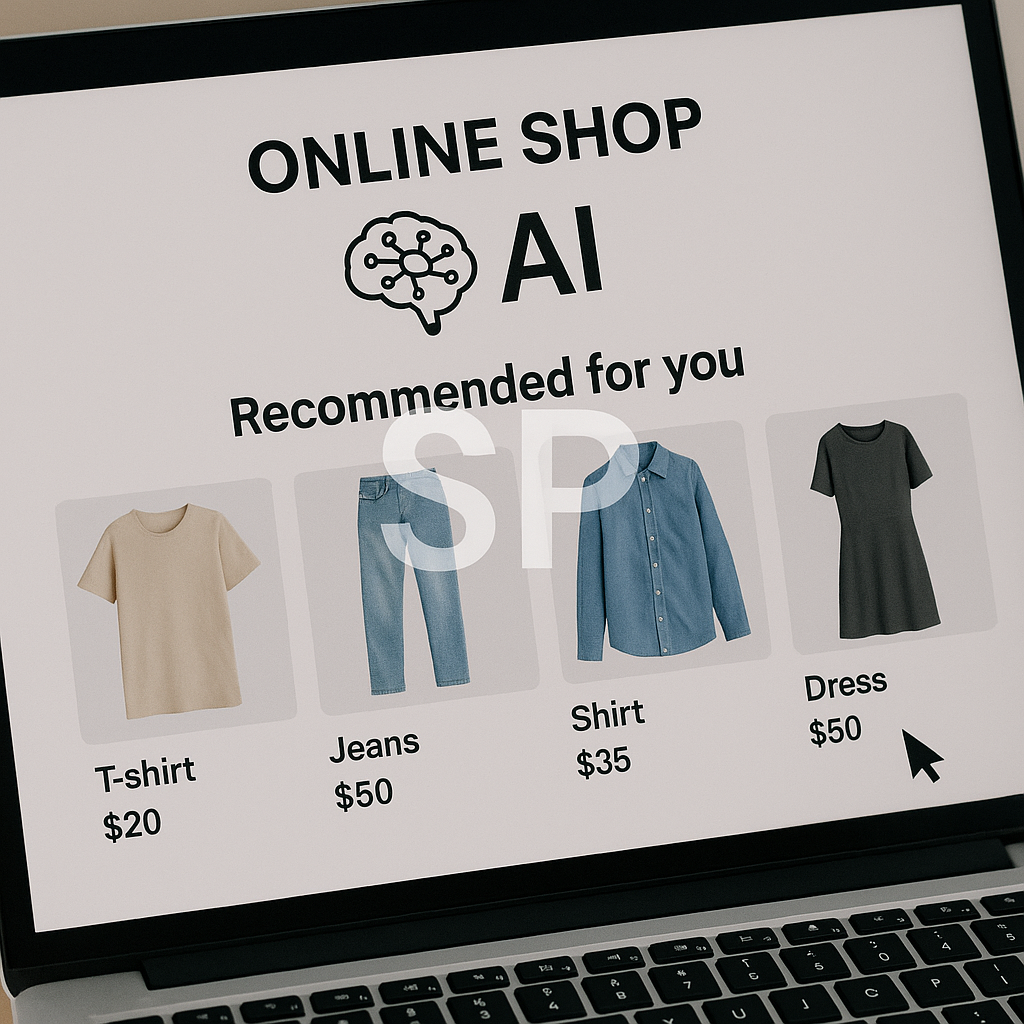
Data integration is what ties all these elements together. A centralized AI dashboard displays your automated orders, active subscriptions, and referral program performance in real time. This bird’s-eye view allows you to adjust settings on the fly, whether that means pausing a subscription during a vacation, increasing the delivery frequency of a popular product, or switching referral focus to a seasonal promotion.
The long-term impact of adopting AI-powered shopping routines extends beyond saving money. It changes your relationship with consumption itself. Instead of reactive spending—buying because you suddenly realize you need something—you shift into proactive, intentional purchasing. AI becomes a partner in aligning your spending habits with your lifestyle goals, helping you maintain financial discipline without constant manual oversight.
Looking ahead, as AI shopping platforms integrate more advanced predictive analytics and personalized recommendation engines, these systems will not only manage your existing habits but also anticipate needs you might not even be aware of yet. Imagine receiving a suggestion to stock up on certain items before a supply shortage hits, or being offered a subscription bundle perfectly matched to your recent activities and preferences. This level of intelligence will make smart consumption the norm, and those who adopt these tools early will benefit the most.