How to Optimize Subscription Services with AI in 2025
The subscription economy has exploded over the past decade. From streaming platforms to meal kits, from productivity software to fitness apps, consumers now manage dozens of recurring services. While subscriptions provide convenience, they can also quietly drain budgets if left unmanaged. That’s where artificial intelligence steps in. In 2025, learning how to optimize subscription services with AI is no longer just about saving money—it’s about creating smarter, more sustainable consumer habits.
The Subscription Overload Problem
Most people underestimate how many subscriptions they have. Studies show that the average household pays for 7–10 active services, and many forget at least one recurring payment. This “subscription creep” leads to wasted money on unused apps, duplicate services, or overlapping memberships. Without active management, it’s easy for expenses to balloon.
AI tools are tackling this by scanning financial transactions, identifying recurring payments, and alerting users when subscriptions go unused. Instead of manually checking bills, consumers now receive instant insights into what they’re really paying for.
Personalized Recommendations with AI
AI doesn’t just identify waste—it also recommends alternatives. For example, if you’re paying for multiple streaming platforms but only use one regularly, AI systems can suggest canceling others or downgrading to a cheaper plan. Similarly, if you’re subscribed to two productivity tools with overlapping features, AI can highlight the redundancy and recommend a consolidated option.
By analyzing actual usage data, AI ensures that consumers only pay for what truly adds value. This shift from generic budgeting to personalized optimization is one of the biggest advantages of AI-driven subscription management in 2025.
Smarter Renewal and Cancellation Routines
Another common pain point is renewal. Many subscriptions auto-renew annually, often catching consumers off guard. AI-powered dashboards now track renewal dates and send reminders well in advance. Some even allow one-click cancellations directly through the platform.

This makes managing services far less stressful. Instead of combing through emails to find renewal notices, AI centralizes everything, putting consumers back in control of their routines.
Bundling and Negotiation with AI
In 2025, AI has also started negotiating on behalf of consumers. Some services now use AI chatbots to contact providers and request discounts or bundle offers. For instance, an AI assistant might notice you’re paying for both a music app and a podcast platform and recommend a bundle subscription at a lower cost.
This level of proactive management goes beyond traditional budgeting—it creates opportunities for real savings and more streamlined experiences.
Data Privacy and Trust Considerations
Of course, with AI analyzing financial and usage data, privacy concerns are inevitable. Responsible AI subscription tools in 2025 emphasize encryption, transparent data policies, and user control over what information is shared. Trust is critical; without it, adoption stalls. Consumers should always review privacy settings before fully integrating these tools into their routines.
Why It Matters for Everyday Life
Optimizing subscription services with AI isn’t just about cutting costs. It also reduces decision fatigue, simplifies routines, and ensures that money flows into products that genuinely improve life. For families, it means avoiding wasted spending. For freelancers or small businesses, it means allocating resources more strategically.
One user described it this way: “Before AI, I had no idea how many apps I was paying for. Now, I only keep what I actually use, and I feel more in control of my finances.” This sense of empowerment is just as valuable as the financial savings.
Final Thoughts
Learning how to optimize subscription services with AI in 2025 is about reclaiming control. Instead of being at the mercy of auto-renewals and hidden charges, consumers can leverage technology to actively shape their spending habits.
Start by connecting your financial accounts to an AI subscription tracker. Let it show you where your money is going, then act on the insights—cancel unused services, downgrade where possible, and embrace bundles that truly fit your lifestyle. Over time, these small adjustments add up to major savings and a smarter, more intentional approach to consumption.
In the subscription-heavy economy of 2025, AI isn’t just helpful—it’s essential. The tools are here, the data is clear, and the routine is simple. The only step left is deciding to use them.
In the main article, we explored how AI can streamline subscription management—tracking renewals, reducing overlaps, and recommending alternatives. But for small businesses, families, and even solo consumers, the real power of AI emerges when optimization becomes a habit rather than a one-time cleanup. Let’s dive deeper into how daily routines, emotional benefits, and broader consumer trends are shaping the way we use AI to optimize subscription services in 2025.
One of the most valuable aspects of AI is its ability to remove uncertainty. Before these tools existed, many people didn’t know exactly how much they were spending on recurring services. Bills would arrive, but patterns remained hidden. Now, AI dashboards provide instant clarity. Seeing all active subscriptions in one place creates a sense of control. This psychological shift—moving from vague awareness to concrete knowledge—reduces financial anxiety. Users describe it as “finally knowing where my money is going,” and that alone is worth the effort.
The next level is predictive optimization. AI doesn’t just tell you what you’re paying now; it forecasts what you’re likely to pay in the future. If your streaming service plans to raise prices or your cloud storage is close to exceeding limits, AI systems warn you in advance. This gives you time to downgrade, cancel, or negotiate before costs rise. It’s like having a financial assistant watching over your digital life 24/7.
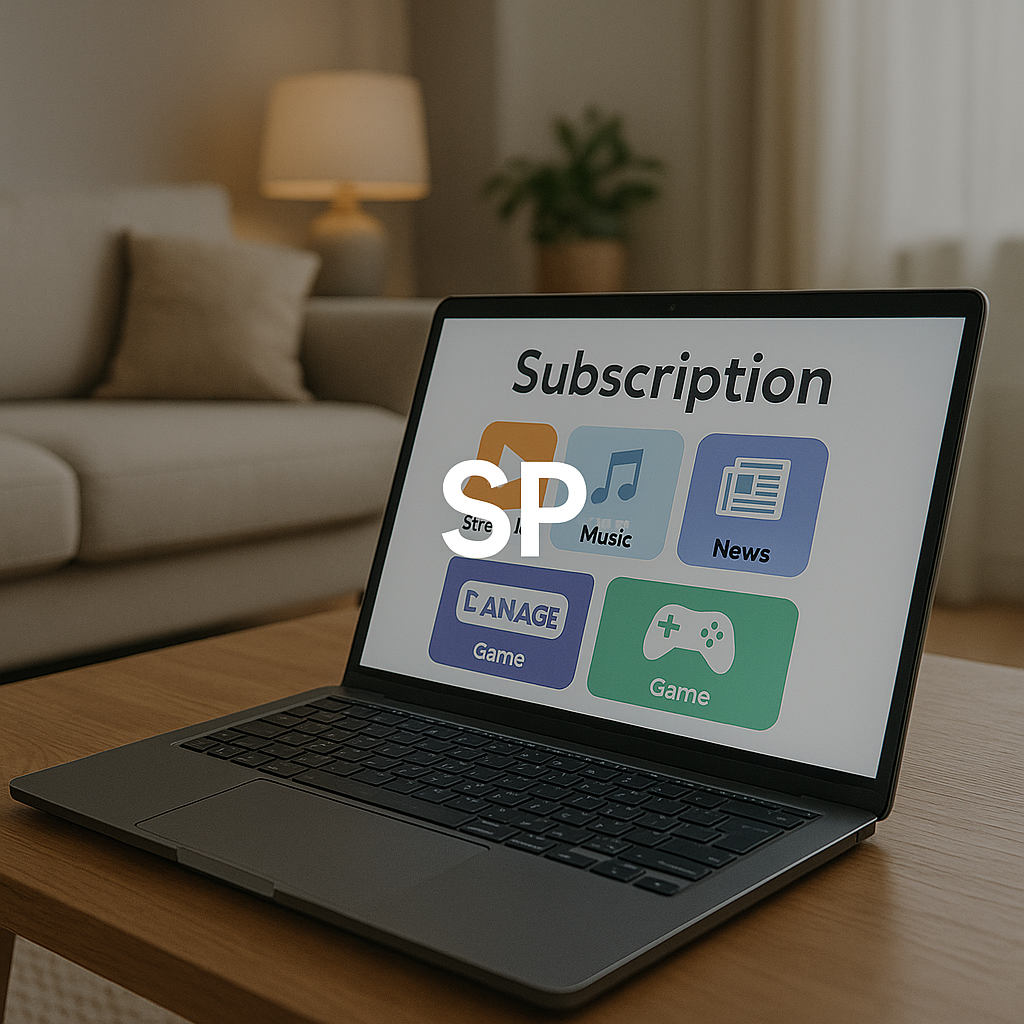
AI is also changing how we think about bundles. In the past, bundling was largely dictated by providers. You accepted the packages they offered. In 2025, AI flips this dynamic. By analyzing usage across platforms, AI can create personalized bundles tailored to your actual habits. For example, it might suggest combining a music service with a podcast app you already use, offering a discount through negotiated partnerships. This personalization ensures bundles feel relevant rather than forced.
For families, shared dashboards are becoming popular. Parents and kids often share subscriptions—streaming platforms, gaming services, learning apps. AI tools allow families to see who uses what, when, and how often. Instead of arguing over which service to cancel, the data speaks for itself. Decisions become collaborative, reducing conflict and teaching younger members about financial responsibility.
Businesses, too, are reaping benefits. Startups often accumulate dozens of SaaS tools—CRM systems, design apps, project management platforms. Over time, many overlap. AI now identifies redundancies and suggests consolidations. One small agency reported saving nearly $1,000 per month by using AI to highlight tools that duplicated features. Those savings were reinvested into growth initiatives, proving that optimization isn’t just about cutting costs but about reallocating resources strategically.
Of course, no discussion of AI is complete without addressing limitations. Algorithms can make mistakes—flagging essential tools as redundant or misinterpreting low usage during seasonal slowdowns. This is why human oversight remains vital. Think of AI as an advisor, not an absolute authority. The best results come when people combine AI insights with personal judgment, balancing convenience with context.
Looking ahead, subscription optimization is likely to merge with broader financial wellness platforms. Imagine a single AI-driven hub that manages not only your recurring services but also your investments, insurance, and everyday spending. Early versions of these platforms already exist, and by the end of the decade, they may become the norm. For consumers, this means an even smoother integration of financial decision-making into daily life.
Ultimately, learning how to optimize subscription services with AI in 2025 isn’t just about saving a few dollars. It’s about building smarter habits, reducing stress, and making technology work in your favor. Whether you’re an individual managing a handful of apps or a small company juggling dozens of SaaS tools, AI offers the clarity and efficiency you need. And once optimization becomes routine, it reshapes not just your budget but your entire relationship with consumption.