Subscription Services in 2025: How AI Transforms Smart Shopping and Consumer Habits
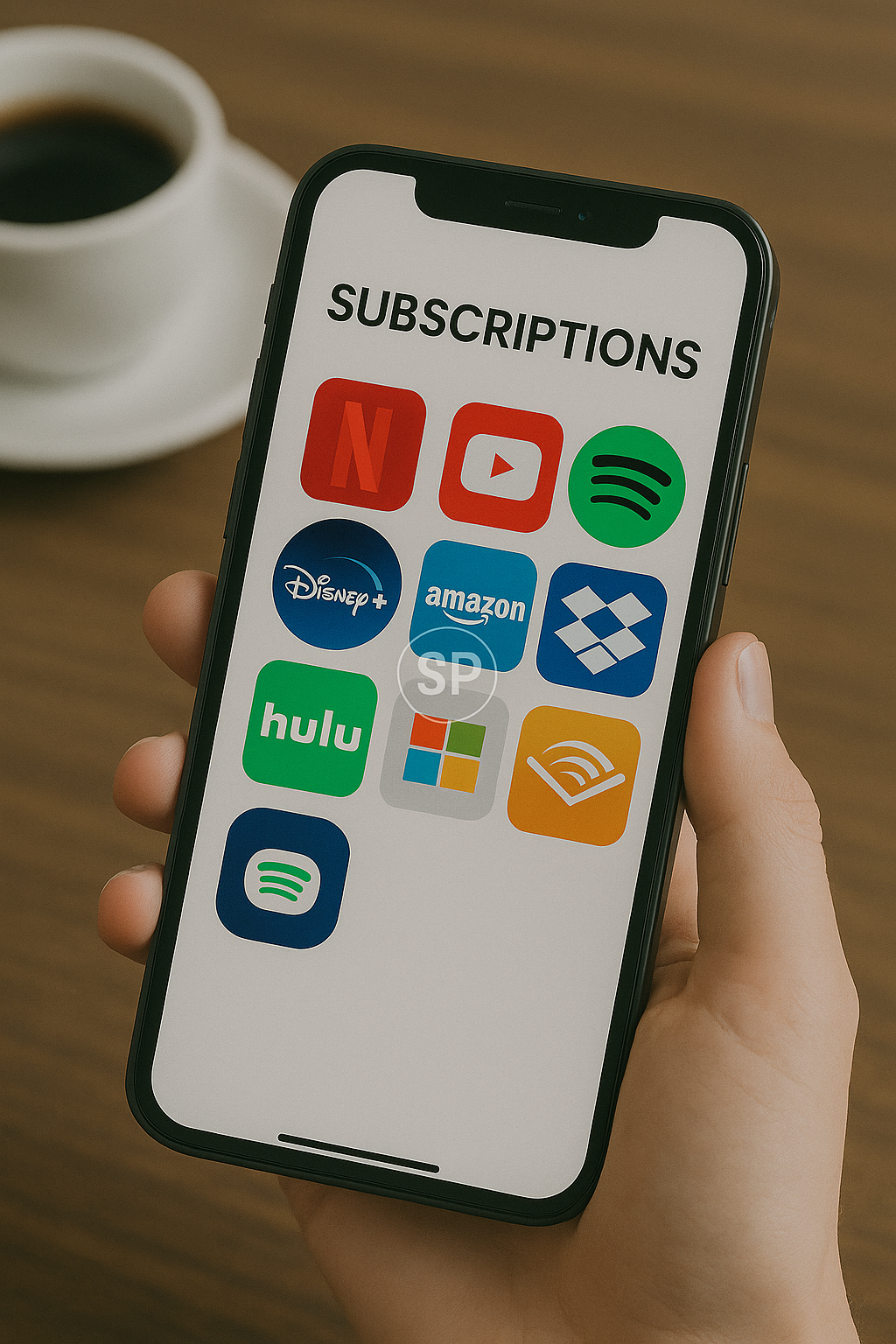
Have you noticed how everyday life is quietly run by subscription services? From Netflix to Spotify, from grocery deliveries to productivity tools, subscriptions are no longer limited to entertainment. They’ve become the backbone of modern consumption. I still remember my first subscription box arriving — a small but delightful surprise that made me realize how convenience changes spending habits.
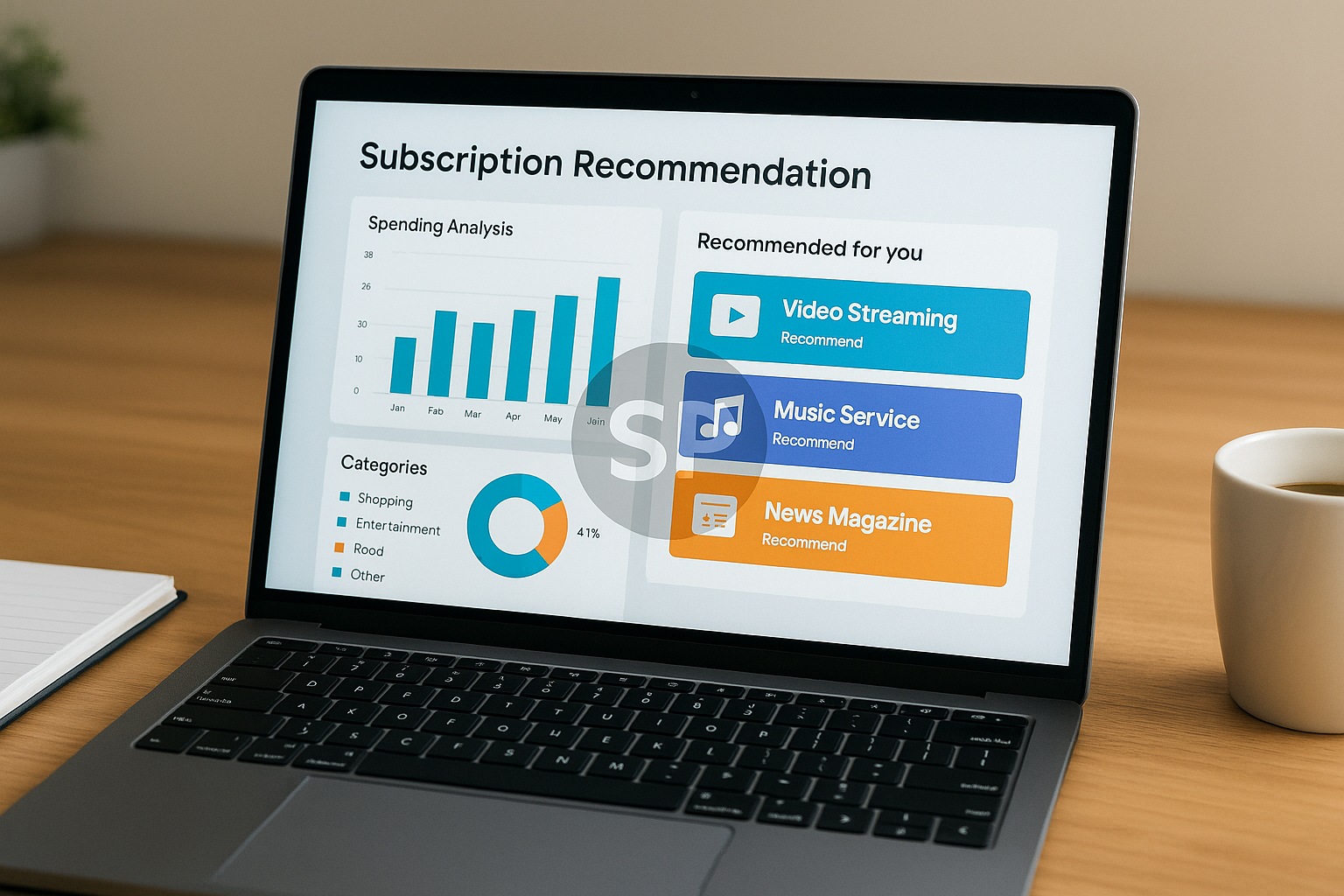
The rise of AI is pushing subscription services to the next level. Imagine an AI system analyzing your consumption patterns and automatically adjusting your plan. Too much unused data on your mobile subscription? AI reduces it. Grocery box arriving with foods you rarely eat? AI swaps them out based on your habits. This smart optimization saves money and reduces waste, making subscription services more personalized and efficient.
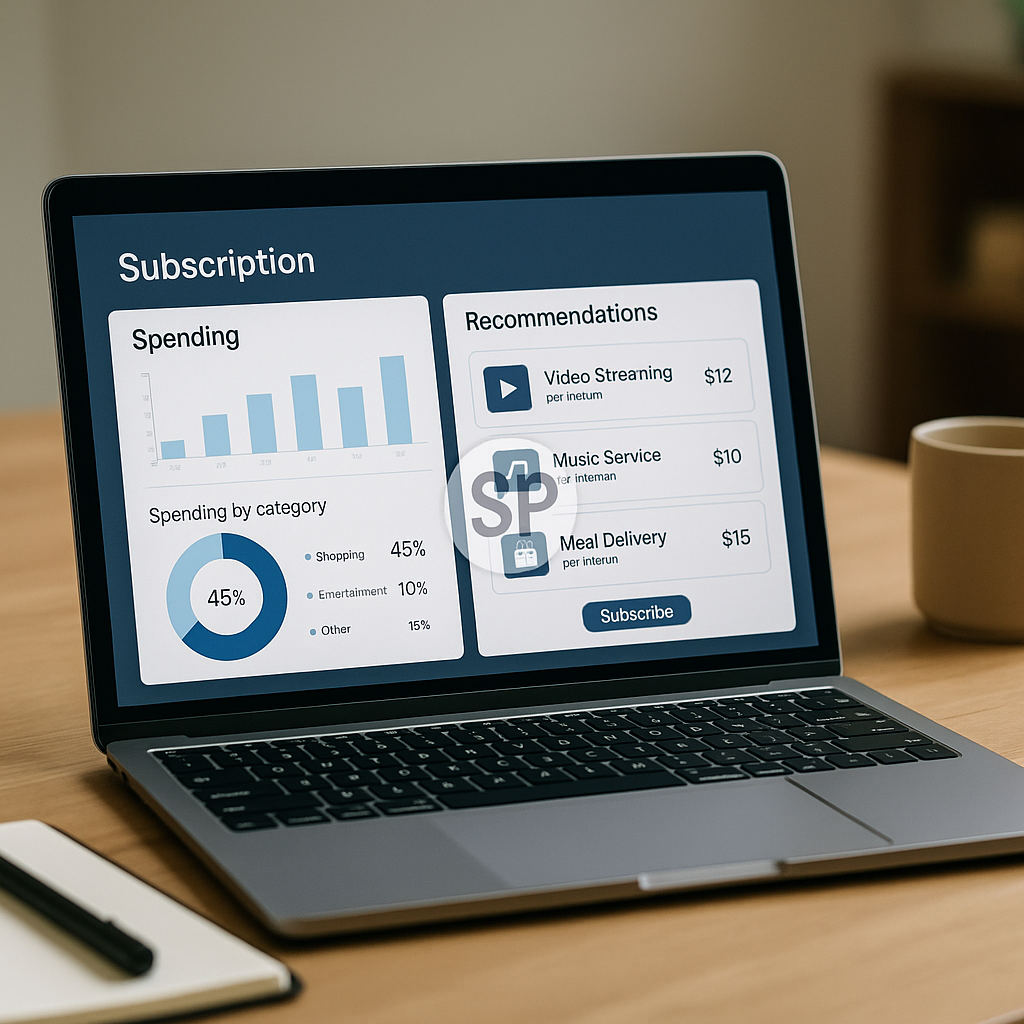
Many people ask: “Are subscription services really cost-effective?” The answer depends on usage. Failure stories show that signing up for too many subscriptions without monitoring quickly drains monthly budgets. A friend of mine had streaming, fitness, meal kits, and multiple software subscriptions, but realized she only used half of them. Canceling unused plans saved her nearly $100 monthly. The lesson: review regularly and keep only what adds real value.
A bonus tip is to leverage referral programs. Many subscription services reward you for inviting friends, offering free months or discounts. For example, one small SaaS platform doubled its user base through referrals alone. If you’re already happy with a service, sharing it can save costs and even generate small income streams.
Another important angle is sustainability. Subscription services powered by AI can optimize logistics, reducing unnecessary shipments and packaging. This aligns with eco-conscious consumer trends. Choosing companies that combine personalization with sustainability not only benefits your wallet but also the planet.
Looking to 2025, subscription models are expected to expand into even more areas: healthcare monitoring, AI-driven personal finance, and education. As the landscape grows, the ability to manage subscriptions wisely will be as important as choosing them.
Ultimately, subscription services aren’t just about convenience anymore — they’re about designing smarter consumption. With AI, you can cut waste, save money, and align your habits with long-term goals. If used thoughtfully, subscriptions stop being expenses and start becoming powerful tools for lifestyle optimization 🌐💡.
Subscription services are often marketed as “set it and forget it,” but the truth is that wise management makes all the difference. Without careful monitoring, what starts as convenience can easily become financial clutter. This is where AI-powered subscription management changes the game.
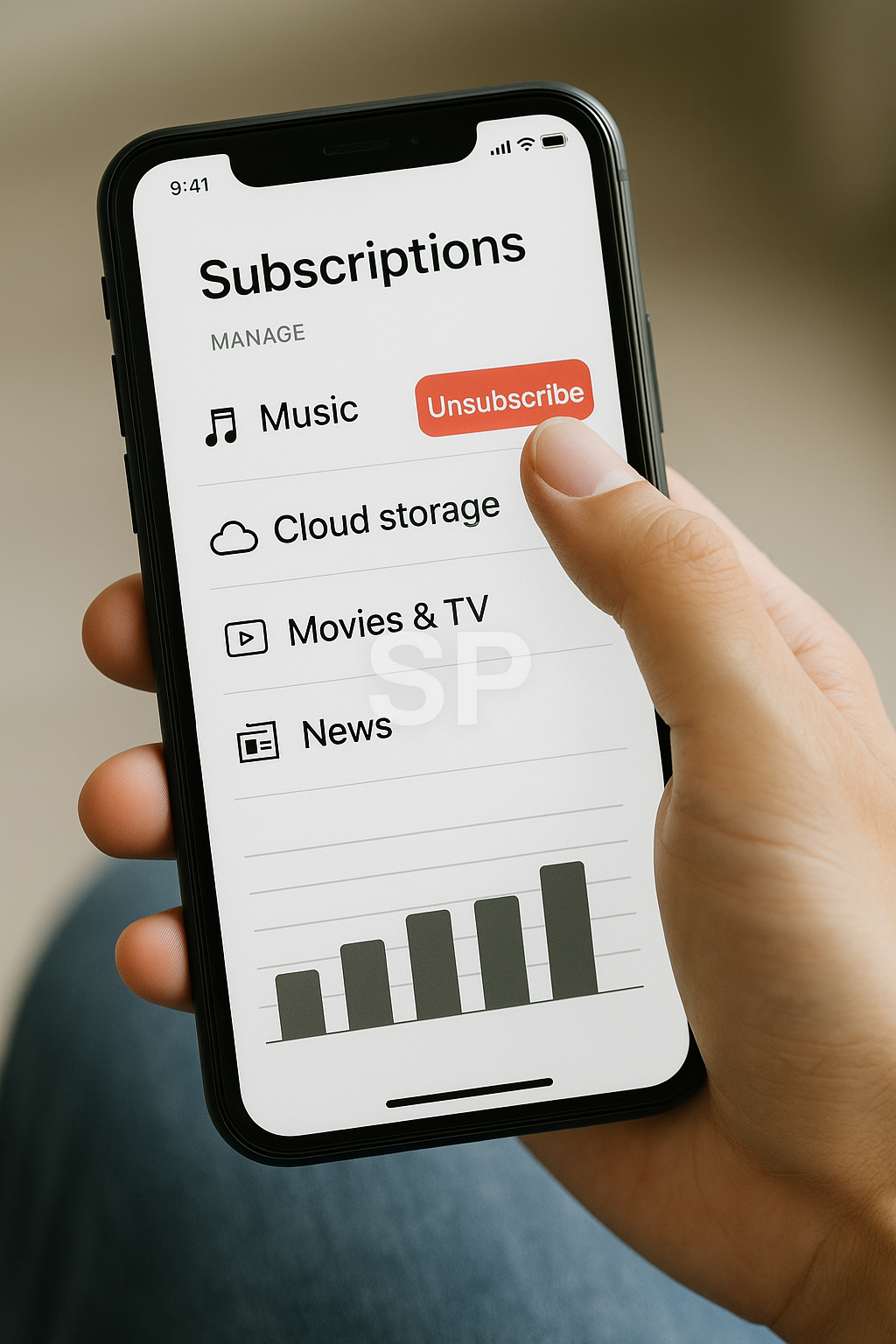
One of the best practices is conducting regular subscription audits. Every few months, list all active subscriptions and ask yourself: “Do I use this enough to justify the cost?” Failure stories show that many households carry 10 or more active subscriptions, but consistently use only half of them. Cancelling unused services can free up significant monthly budgets. For example, a colleague saved nearly $1,200 a year after trimming down entertainment and food box subscriptions.
Another key aspect is personalization. AI-driven platforms can now analyze viewing, shopping, or reading habits to tailor plans. This not only saves money but also reduces frustration. Imagine never paying for channels you don’t watch or storage you don’t use. Personalization ensures that subscriptions truly add value rather than drain resources.
A bonus tip is bundling. Many providers now offer package deals — for instance, combining music and video streaming at a discounted rate. These bundles, when aligned with your lifestyle, can save costs while simplifying management. However, bundles become traps if you only use one part of the package, so alignment is crucial.
Failure cases highlight the risks of over-automation. One user let AI automatically renew all subscriptions without oversight. Over time, they accumulated overlapping services, such as two cloud storage plans and multiple streaming apps. The lesson: automation is powerful, but only when combined with active review. AI should simplify, not replace human decision-making.
Sustainability is another dimension worth noting. Subscription services that adopt eco-friendly shipping and digital-first models appeal to conscious consumers. AI can optimize delivery schedules, reducing carbon footprints. Supporting such services allows consumers to align spending with values, turning everyday consumption into a small act of environmental responsibility.
Looking ahead, subscription services are expected to expand into areas like personalized healthcare, AI-driven financial planning, and online education. This means managing subscriptions wisely will become as critical as selecting them. Users who master subscription audits, leverage AI personalization, and align choices with lifestyle goals will maximize both value and savings.
In conclusion, subscription services are not inherently good or bad — their impact depends on how we use them. AI can help filter noise, identify value, and prevent waste. By combining technology with mindful decision-making, subscriptions can evolve from silent expenses into tools for smarter, more sustainable living 🌐💳.
Subscription services are often marketed as “set it and forget it,” but the truth is that wise management makes all the difference. Without careful monitoring, what starts as convenience can easily become financial clutter. This is where AI-powered subscription management changes the game.
One of the best practices is conducting regular subscription audits. Every few months, list all active subscriptions and ask yourself: “Do I use this enough to justify the cost?” Failure stories show that many households carry 10 or more active subscriptions, but consistently use only half of them. Cancelling unused services can free up significant monthly budgets. For example, a colleague saved nearly $1,200 a year after trimming down entertainment and food box subscriptions.
Another key aspect is personalization. AI-driven platforms can now analyze viewing, shopping, or reading habits to tailor plans. This not only saves money but also reduces frustration. Imagine never paying for channels you don’t watch or storage you don’t use. Personalization ensures that subscriptions truly add value rather than drain resources.
A bonus tip is bundling. Many providers now offer package deals — for instance, combining music and video streaming at a discounted rate. These bundles, when aligned with your lifestyle, can save costs while simplifying management. However, bundles become traps if you only use one part of the package, so alignment is crucial.
Failure cases highlight the risks of over-automation. One user let AI automatically renew all subscriptions without oversight. Over time, they accumulated overlapping services, such as two cloud storage plans and multiple streaming apps. The lesson: automation is powerful, but only when combined with active review. AI should simplify, not replace human decision-making.
Sustainability is another dimension worth noting. Subscription services that adopt eco-friendly shipping and digital-first models appeal to conscious consumers. AI can optimize delivery schedules, reducing carbon footprints. Supporting such services allows consumers to align spending with values, turning everyday consumption into a small act of environmental responsibility.
Looking ahead, subscription services are expected to expand into areas like personalized healthcare, AI-driven financial planning, and online education. This means managing subscriptions wisely will become as critical as selecting them. Users who master subscription audits, leverage AI personalization, and align choices with lifestyle goals will maximize both value and savings.
In conclusion, subscription services are not inherently good or bad — their impact depends on how we use them. AI can help filter noise, identify value, and prevent waste. By combining technology with mindful decision-making, subscriptions can evolve from silent expenses into tools for smarter, more sustainable living 🌐💳.