75% of You Trust AI to Auto-Replenish—Here’s Why It’s Changing Everything
Shopping has always been a balancing act between convenience, cost, and choice. But in 2025, a new force has emerged that is tipping the scales dramatically: AI-powered auto-replenishment. According to recent surveys, nearly 75% of consumers say they would trust AI to automatically reorder essentials on their behalf. This statistic is more than a passing data point—it represents a deep cultural shift in how we view consumption, technology, and trust.
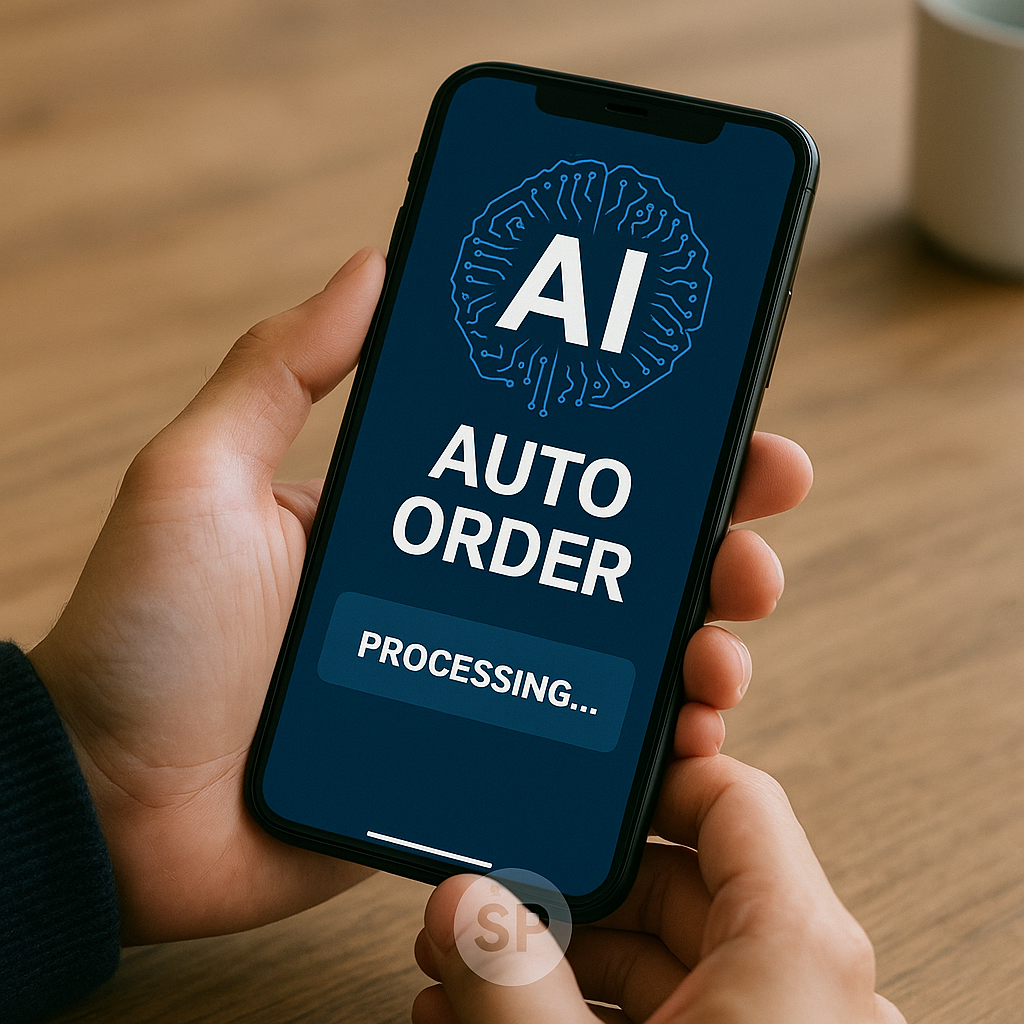
The psychology of convenience
Humans are creatures of habit. We buy the same groceries, household items, and personal care products on repeat. Historically, this routine has been managed manually: list-making, shopping trips, price comparisons. AI auto-replenishment cuts through the monotony. By analyzing consumption patterns, it ensures that your coffee, detergent, or dog food never runs out. Consumers no longer need to remember or monitor inventory—their AI twin shopper does it for them.
This convenience resonates deeply in modern life. In a world where decision fatigue is rampant, removing the burden of repetitive shopping allows people to focus on experiences rather than errands. It’s not just about saving clicks—it’s about reclaiming mental bandwidth.
How AI knows what you need
The power of auto-replenishment lies in predictive shopping. Algorithms study historical purchase data, usage cycles, and even contextual signals like calendar events or weather forecasts. For example, if your AI notices you usually buy sunscreen in May, it may suggest or auto-order it as summer approaches. If your dog food bag typically lasts six weeks, the system will place an order in week five—sometimes at a discount before prices surge.
This foresight reduces both waste and stress. It prevents overbuying while ensuring that essentials are always on hand, striking the perfect balance between efficiency and necessity.
The role of agentic checkout
AI-driven shopping isn’t only about predicting needs—it’s about making purchases invisible. Agentic checkout enables your AI to complete orders across multiple platforms without requiring you to manually enter payment or shipping details. It applies loyalty points, hunts for coupons, and secures the fastest delivery options automatically. For global consumers, it even handles currency conversions seamlessly. This level of autonomy turns your AI into a true shopping agent.
Why trust is growing
Skeptics once wondered: would people really trust a machine to buy for them? The answer, increasingly, is yes. Transparency tools, blockchain verification, and real-time notifications have built consumer confidence. You can always override or cancel an AI decision, but most users find the system accurate enough to leave it running.
The broader reason trust is growing is simple: AI saves money and time. Consumers recognize when their AI shopper consistently secures better deals, avoids duplicate purchases, and prevents last-minute store runs. Over time, trust becomes routine.
From essentials to lifestyle
At first, auto-replenishment focused on basics like groceries and household items. But it is quickly moving into lifestyle categories: vitamins, skincare, pet products, even fashion staples. Subscriptions once handled these needs manually, but AI is replacing static schedules with dynamic, personalized routines. Instead of a one-size-fits-all monthly box, your AI customizes frequency and content in real time.
This creates not just smarter consumption but also more sustainable consumption. By aligning purchases with actual use, AI reduces overproduction, shipping waste, and unnecessary returns.
The bigger picture
When 75% of consumers express willingness to delegate shopping to AI, it signals more than just a market trend. It highlights a growing comfort with automation and a redefinition of what “shopping” means. No longer a chore, it becomes a background process, seamlessly integrated into daily life.
For retailers, this means adapting quickly. Businesses must integrate AI-friendly platforms, embrace transparency, and offer APIs that allow agentic systems to communicate. Those who resist may find themselves bypassed as consumers increasingly rely on their AI twin to curate and execute purchases.
Closing thoughts
The rise of AI auto-replenishment marks one of the most profound shifts in consumer behavior since the invention of e-commerce itself. It’s not about whether people can trust AI—it’s about how quickly they already are. By 2025, letting AI handle your shopping cart will feel as natural as using online banking.

For consumers, it means fewer hassles, smarter budgets, and stress-free routines. For retailers, it means competing not for direct clicks but for the trust of algorithms. Either way, the future of shopping is clear: intelligent, predictive, and automated. And for three-quarters of us, that future has already begun.
The rise of AI auto-replenishment is more than a feature—it is a new cultural norm shaping how we consume. While e-commerce once thrived on choice overload and flashy discounts, modern consumers are increasingly valuing efficiency and trust. Allowing an AI to manage repetitive purchases signals a deep confidence that machines can make better micro-decisions than we can.
Part of this trust comes from transparency. In 2025, consumers expect real-time notifications of what their AI has ordered, along with the option to cancel or adjust immediately. This balance of autonomy and control gives shoppers confidence that their preferences remain central. They don’t feel replaced by AI—they feel enhanced by it. With 75% of consumers reporting willingness to let AI take over shopping tasks, auto-replenishment is becoming as routine as online payments once were.
The real shift lies in predictive shopping. Instead of static subscriptions, AI learns from your behavior and adjusts dynamically. If your shampoo lasts two months instead of one, the system recognizes it and extends delivery. If you suddenly start buying more protein bars, the algorithm adapts in real time. Unlike traditional retailers that push unnecessary upsells, the AI twin shopper emphasizes balance, ensuring what arrives is exactly what you need, when you need it.
For retailers, this presents both opportunity and challenge. Those that integrate with agentic checkout systems will thrive, as AI agents increasingly act as the primary customer. Platforms that lack openness risk being bypassed entirely. In the near future, consumers may never “visit” a retailer’s website; instead, their AI negotiates directly on their behalf. Winning trust with algorithms becomes as important as winning trust with human buyers.
Another layer of value comes from sustainability. By aligning orders with actual usage, AI reduces overproduction, shipping frequency, and food waste. Consider groceries: instead of delivering a fixed weekly box, AI delivers portions adjusted to household consumption, minimizing spoilage. For consumers conscious of environmental impact, this makes AI shopping not only convenient but also ethically aligned.
Emotional comfort also plays a role. Shoppers often feel guilt about overspending, impulse buys, or letting products expire. With auto-replenishment managing purchases, many of these pitfalls disappear. The process creates peace of mind: essentials are covered, budgets stay intact, and clutter is reduced. In this way, trust is not just technological but psychological—AI shopping becomes a quiet support system in daily life.
replenishment is about invisible integration. It removes friction without removing agency, saving time while adding value. For three-quarters of consumers, this shift has already started. By 2030, we may look back and wonder why we ever spent so much energy managing shopping lists ourselves.