AI Smart Shopping Hacks: Price Tracking, Subscription Management, and Cashback Apps
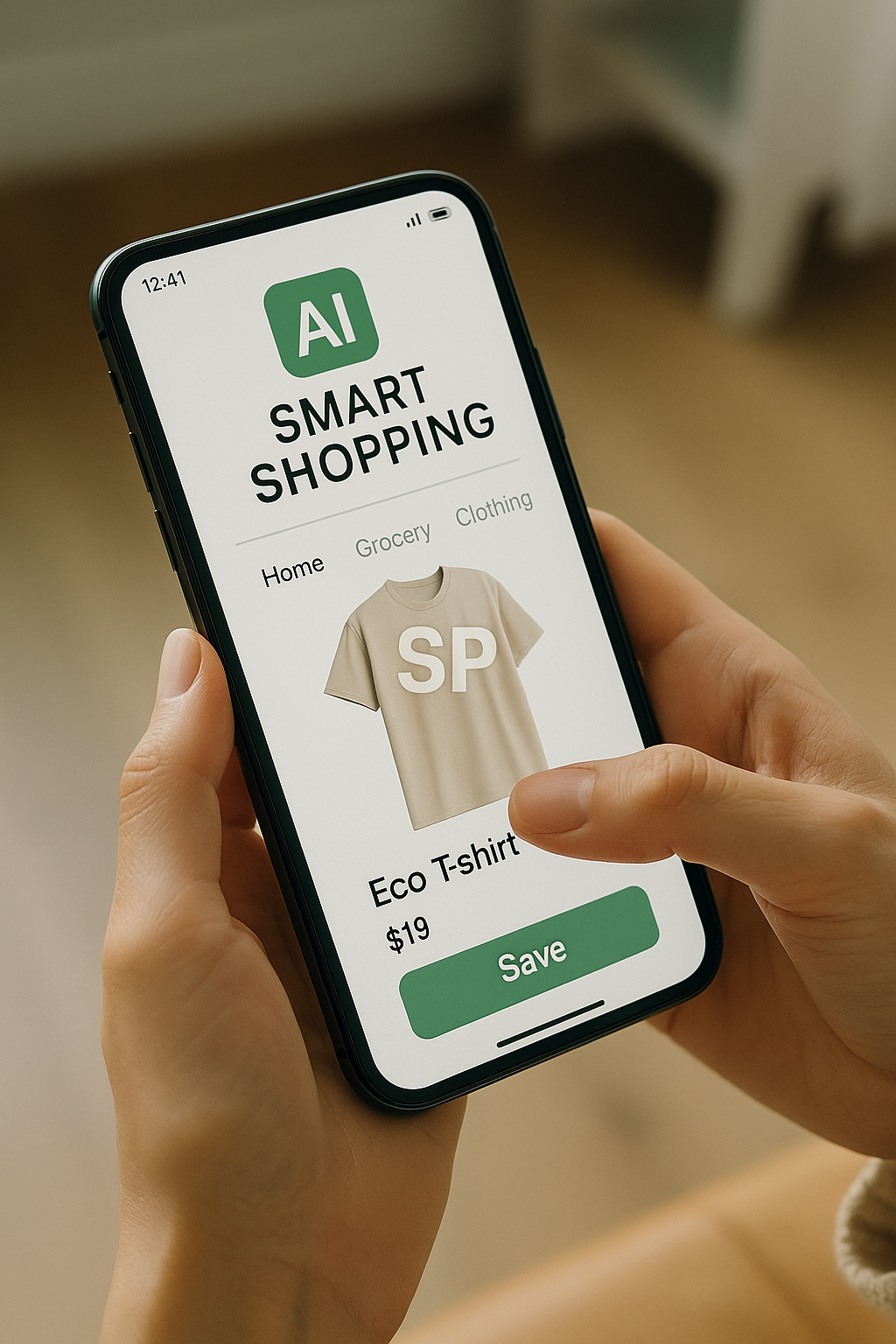
Hello everyone 👋 The way we shop is evolving faster than ever. Gone are the days when you had to manually search for deals, compare prices endlessly, or worry about forgotten subscriptions draining your bank account. With AI smart shopping tools, it’s now possible to automate these processes and save both time and money. Let’s explore how technologies like AI subscription management, personalized shopping AI, AI price tracking tools, automated shopping routines, and AI cashback apps are reshaping the way we consume.
Why AI Smart Shopping Is Changing Consumer Habits
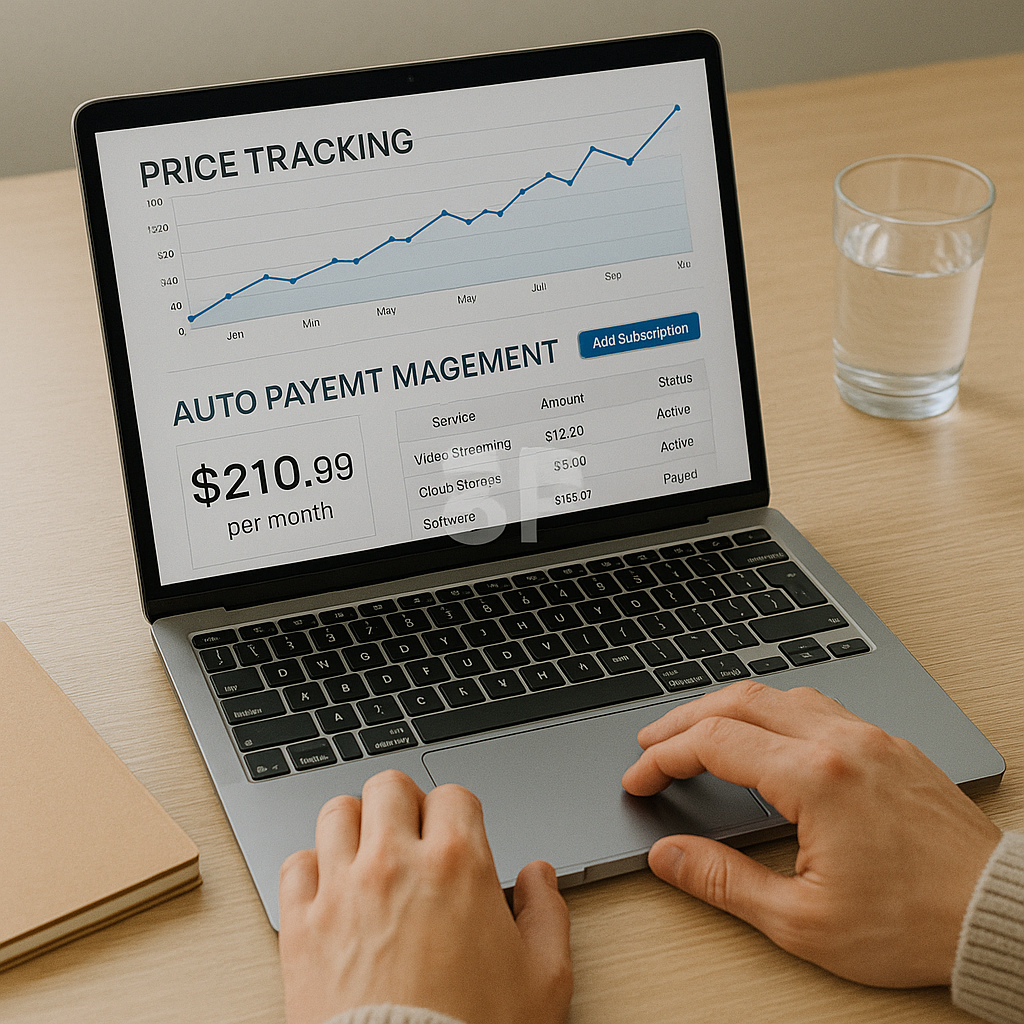
The average person subscribes to more than 10 digital services. Many of these subscriptions renew automatically, often unnoticed. With AI smart shopping platforms, you can track all recurring payments in one dashboard, cancel unnecessary ones instantly, and receive alerts before renewal dates. This transforms spending from passive to proactive.
AI Subscription Management for Better Control
One of the strongest use cases is AI subscription management. Tools like Truebill or Rocket Money analyze your spending, detect hidden subscriptions, and suggest alternatives. Imagine being notified that you’re paying for three different music streaming services—AI helps consolidate them and even negotiates discounts. For both individuals and businesses, this prevents waste and optimizes monthly budgets.
The Power of Personalized Shopping AI
Traditional e-commerce often throws irrelevant ads at you. But personalized shopping AI tailors product recommendations based on your actual habits. For example, if you buy coffee beans every three weeks, AI can predict when you’ll run out and suggest a refill before you notice. This reduces friction and builds a smarter shopping routine that feels customized.
How AI Price Tracking Tools Maximize Savings
Price fluctuations are common, especially in electronics and travel. AI price tracking tools monitor thousands of sites in real time, sending alerts when your desired product hits the lowest price. Some even auto-purchase once the threshold is met. For frequent travelers, AI-driven airfare trackers can save hundreds of dollars per trip.
Automated Shopping Routines and AI Cashback Apps
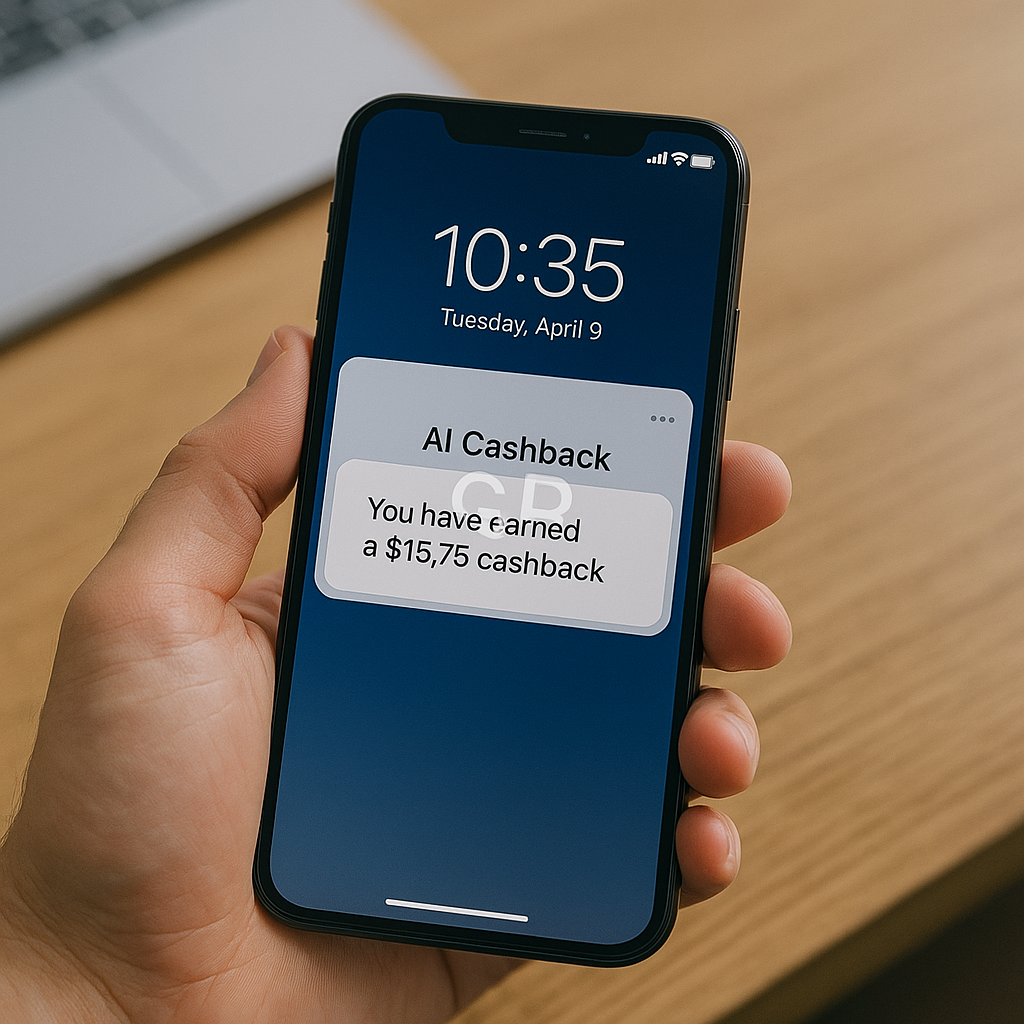
AI doesn’t just monitor—it executes. Automated shopping routines can handle grocery replenishment, restock essentials, and manage shopping lists without manual input. Pair that with AI cashback apps, which automatically apply coupons or rebate codes at checkout, and you’re stacking savings on top of convenience. In fact, users of leading cashback apps report up to 15% monthly savings.
Bonus Tip: Avoiding AI Shopping Pitfalls
While the convenience is undeniable, over-reliance on automation can cause blind spots. Always review AI recommendations before finalizing big-ticket purchases. And beware of apps that claim to be free but profit by selling your data. Stick with reputable platforms that emphasize privacy.
The rise of AI smart shopping is not just about saving a few extra dollars—it’s transforming how consumers think about money management. Before, people used to spend hours hunting for coupons or checking multiple websites for deals. Now, machine learning models can perform these tasks within seconds, giving shoppers real-time insights that once seemed impossible.
For example, AI subscription management tools are now expanding beyond digital media. They can track gym memberships, cloud storage plans, and even forgotten magazine subscriptions. One study showed that the average household wastes nearly $400 per year on unused subscriptions. By automating cancellation and alerts, AI prevents these losses and redirects funds to more valuable purposes.
The personalization aspect is equally powerful. With personalized shopping AI, recommendations are no longer generic. Instead, they reflect lifestyle, dietary preferences, and even health goals. Someone who buys organic products regularly will see suggestions for eco-friendly alternatives, while frequent travelers might receive luggage and flight deal notifications. This deep level of personalization reduces decision fatigue and creates a smoother customer journey.
When it comes to savings, AI price tracking tools are game-changers. Shoppers can set alerts for products, and AI monitors prices 24/7 across multiple retailers. Some platforms integrate with browser extensions, automatically applying price drops or coupon codes at checkout. Travel booking has especially benefited—AI can predict when airfare is most likely to drop, saving users hundreds annually.
Another overlooked benefit is the creation of automated shopping routines. For instance, AI can recognize that a household orders laundry detergent every 45 days. It then schedules an automatic reorder, ensuring supplies never run out. Combined with AI cashback apps, this creates a seamless loop of convenience and savings. Imagine buying essentials online and receiving automatic rebates without lifting a finger—AI makes this reality.
Of course, challenges exist. Data privacy remains a critical concern. Not all AI smart shopping platforms handle sensitive financial information responsibly. That’s why it’s important to choose trusted services with transparent privacy policies. Additionally, users should strike a balance between automation and conscious decision-making. AI should enhance your control, not replace it entirely.
Looking ahead, the evolution of sustainable AI shopping is another exciting frontier. Future tools will not only optimize for price and convenience but also consider environmental impact. For example, AI might recommend a product with lower carbon emissions or suggest brands with ethical supply chains. This means tomorrow’s AI smart shopping will align not only with financial goals but also with global sustainability values.
Ultimately, these technologies illustrate a broader truth: shopping is no longer just about consumption, but about efficiency, personalization, and responsibility. By leveraging AI subscription management, personalized shopping AI, AI price tracking tools, automated shopping routines, and AI cashback apps, consumers can reclaim control over their budgets while shaping smarter habits for the long term.