AI-Driven Subscription Optimization – Rethinking Consumer Savings
When you check your bank statement at the end of the month, how many subscription charges surprise you? 😊 In 2025, subscriptions—from streaming platforms to productivity apps to grocery delivery—quietly dominate personal budgets. For many consumers, it’s not the one big purchase that drains savings, but dozens of small recurring ones. That’s why the rise of AI-driven subscription optimization has become such a critical topic. Instead of cutting services blindly, AI now helps consumers rethink how they save, ensuring they spend smarter, not harsher. ^^
| Visibility | Subscriptions are often invisible until tracked | Use AI tools to scan banking data 😊 |
| Value Ranking | Cost isn’t everything, usage matters | Rank by satisfaction & frequency ^^ |
| Automation | AI cancels or negotiates discounts | Let bots handle tricky unsubscribe flows |
| Routine Design | Streamline overlapping services | Switch to bundles, annual plans 🌱 |
| Integration | Connect savings with bigger goals | Redirect cuts into investments or trips 😊 |
| Psychology | Flexible options reduce fear of canceling | Suggest pause, free tiers, seasonal swaps |
| Social Sharing | Pool subscriptions for efficiency | AI recommends family/roommate plans ^^ |
| Global Fit | Advice adapts to regional ecosystems | Telecom bundles in Asia, niche apps in EU 🌍 |
1. Mapping the hidden subscription jungle
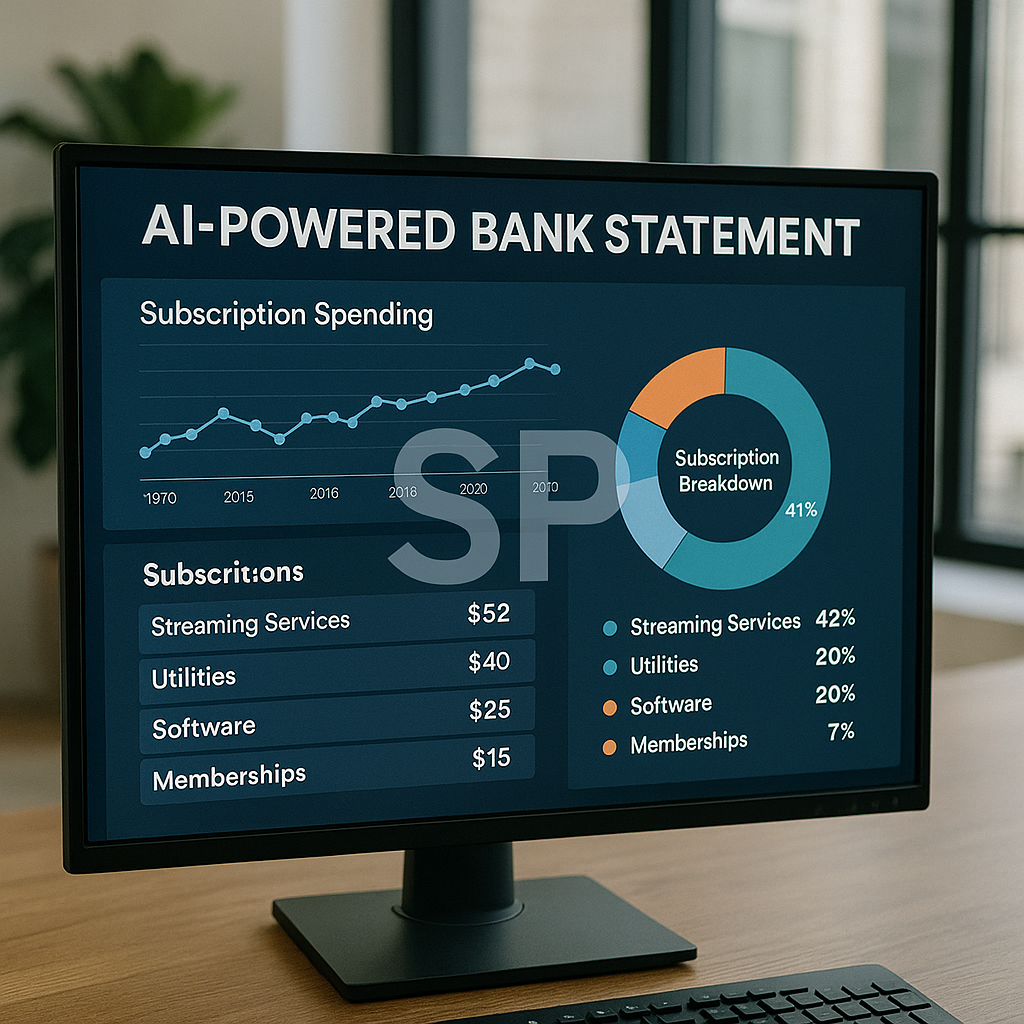
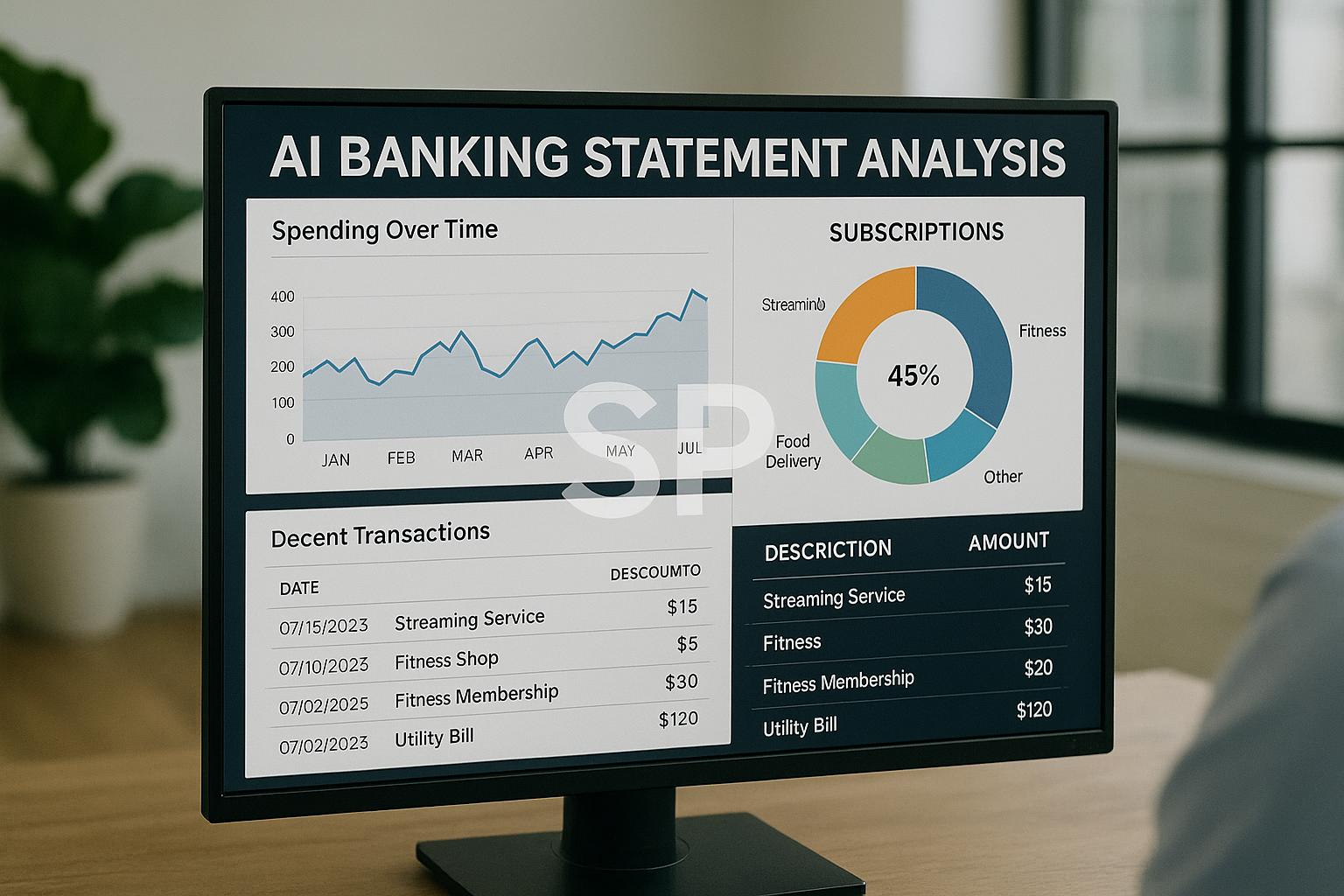
The first step of AI-driven optimization is visibility. Most consumers underestimate how many active subscriptions they actually pay for. AI tools scan banking data, identify recurring charges, and categorize them into entertainment, work, lifestyle, or utilities. Suddenly, the invisible becomes visible 😊. And that clarity itself sparks better choices.
2. Prioritizing value over volume
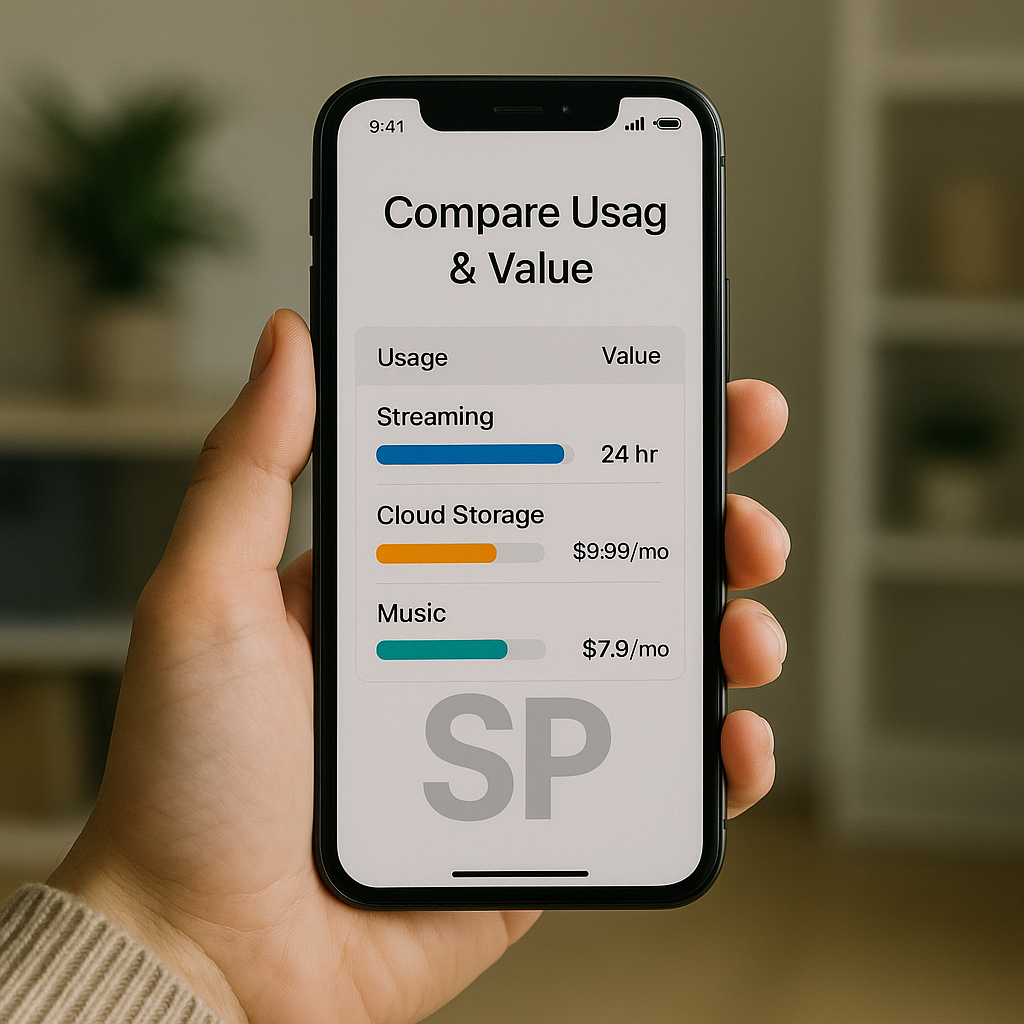
AI doesn’t simply flag “expensive” services—it measures value per use. A $15 streaming platform used daily might be more valuable than a $5 newsletter read once a month. By ranking subscriptions based on usage and satisfaction, AI helps users decide what to keep, downgrade, or cancel. ^^ This personalized prioritization prevents the common trap of canceling the wrong things.
3. Automating cancellations and negotiations
Many services make unsubscribing intentionally difficult. AI systems now automate cancellation flows or even negotiate discounts on behalf of consumers. Imagine your AI assistant messaging a provider to secure a 20% loyalty discount—saving money while you relax 🌱. This proactive element turns optimization from passive tracking into active saving.
4. Creating smarter consumption routines
Beyond cutting, AI reshapes routines. It can recommend bundled alternatives (like streaming combos), suggest switching from monthly to annual plans for cheaper rates, or replace overlapping tools with single multi-feature services. 😊 By guiding consumers toward streamlined routines, AI reduces subscription fatigue while preserving quality of life.
5. Linking optimization with broader financial goals
The last piece is integration. AI-driven subscription optimization doesn’t live in isolation; it connects to savings accounts, investment apps, or budgeting dashboards. Each canceled subscription redirects money into long-term goals—whether it’s an emergency fund, ETF investment, or even carbon-neutral projects 🌍. In this way, optimization isn’t just about cutting; it’s about rethinking what savings mean in a sustainable lifestyle.
In the end, AI-driven subscription optimization reframes savings from restriction to empowerment. 😊 Consumers no longer feel guilty about enjoying services—they feel confident that each subscription aligns with their real needs. Smarter savings, happier routines, and a more intentional relationship with money: that’s the promise of 2025. ^^
While the main post outlined the framework, living with AI-driven subscription optimization in 2025 feels more like having a quiet financial partner sitting next to you. It doesn’t just cut; it nudges and reshapes habits day by day. Many consumers realize they don’t actually want to cancel everything—they want their money to match their lifestyle more honestly.
A big part of this shift is psychology. People often keep unused subscriptions out of fear—“What if I need it later?” ^^ AI reframes this question. Instead of a binary “keep or cancel,” the system may suggest pausing, switching to a free tier, or rotating services seasonally. That flexibility makes consumers feel safer, and savings become sustainable rather than harsh. 😊
Another overlooked effect is social sharing. Some platforms allow users to pool or share subscriptions, and AI now analyzes which friends or households can benefit most. It might recommend splitting a premium service among roommates or suggesting a family plan based on detected overlap. What used to feel like cutting back now feels like collaboration 🌱.
The data dimension is also changing. AI tools not only map costs but show trends in consumption joy. Imagine a dashboard that not only shows you spent $12 on a meditation app but also correlates usage with reported mood improvements. Suddenly, you’re not just managing money—you’re measuring value in quality of life. And that motivates smarter decisions more than numbers alone.
Global context matters too. Subscription ecosystems vary by culture. In Asia, mobile data packs and super-app bundles dominate, while in Europe, users lean on smaller niche services. AI optimization in 2025 localizes its advice: recommending bundled telecom services in Korea, while suggesting boutique productivity apps in Germany. ^^ This cultural tailoring means the same tool can guide users differently depending on where they live.

Trust remains a cornerstone. Automating cancellations or negotiations requires handing sensitive financial data to AI systems. Without strong security, optimization collapses. Forward-looking platforms now integrate encryption, zero-knowledge proofs, and transparent privacy logs. Consumers demand not only smarter savings but also proof their data is safe. 😊
Finally, AI-driven optimization links small subscription choices to larger financial narratives. Canceling one unused $8 service each month might feel minor. But when AI shows you that this adds up to a flight ticket, a weekend trip, or extra investment in clean energy ETFs, the meaning shifts. What looked like pennies becomes possibilities. ^^
In short, AI-driven subscription optimization in 2025 is not just a budgeting tool. It’s a cultural shift in how we view consumption—away from guilt, toward clarity and empowerment. It proves that saving isn’t about scarcity but about aligning money with what we truly value. 🌍