AI Shopping Assistant Tools 2025: Smarter Ways to Save Money and Time
Hello everyone, how are you today? 🛒 Over the past few years, artificial intelligence has gradually transformed the way we shop, and by 2025 the changes are becoming even more noticeable. From automated shopping carts to subscription management and personalized discounts, AI shopping assistant tools are now an essential part of smart consumer behavior. Instead of spending hours comparing prices or forgetting to cancel unused subscriptions, people are letting AI handle the heavy lifting.
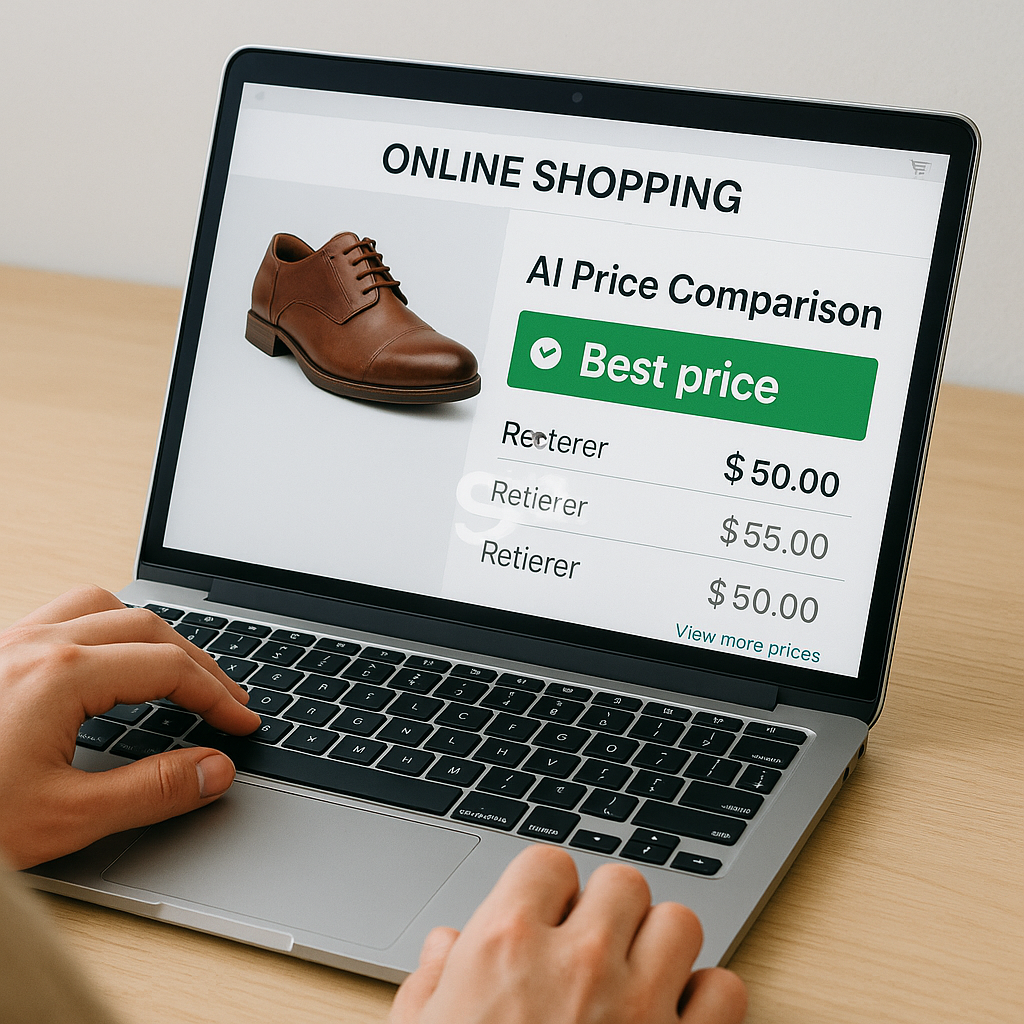
Still, many consumers wonder: Are these tools really effective? Do they actually save money, or do they just sound futuristic? Based on recent case studies and user reports, the answer leans strongly toward yes. Let’s take a closer look at how AI shopping assistants in 2025 are reshaping the way we approach daily purchases.
1. Price comparison beyond human capacity
In the past, you might open multiple tabs to compare prices across websites. Today, AI shopping assistants analyze thousands of listings in seconds, factoring in shipping costs, delivery times, and even seasonal discounts. This isn’t just convenient—it ensures that you almost never overpay.
👉 Example: One tool analyzed 500 product listings in under 10 seconds, saving a user nearly $50 on a single purchase.
2. Subscription optimization
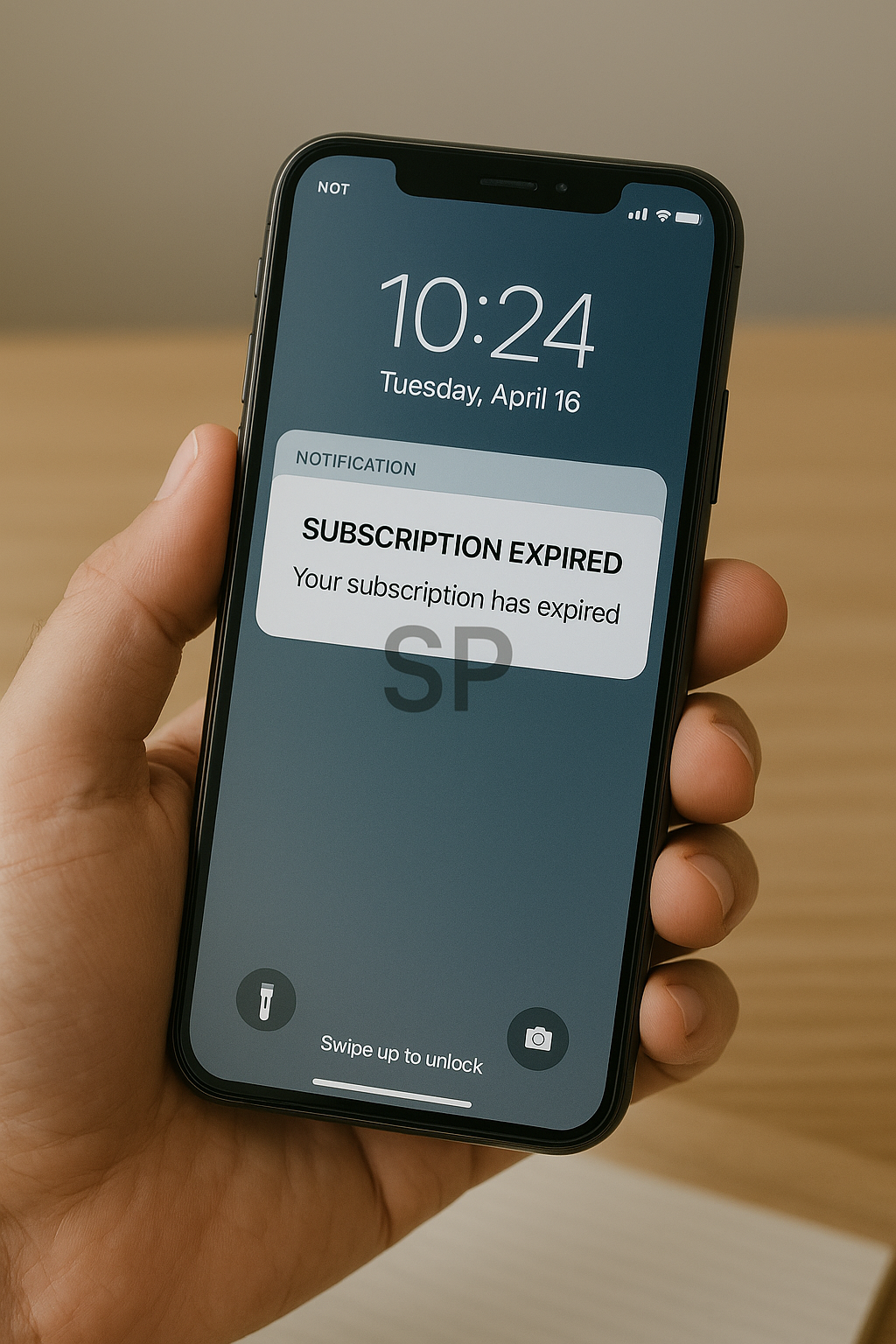
Most people underestimate how much they spend on digital subscriptions. AI tools now track renewal dates, identify overlapping services, and even suggest cheaper alternatives. By canceling or adjusting unnecessary subscriptions, consumers often save hundreds of dollars annually.
👉 Tip: Some apps automatically send alerts when a free trial is about to expire, ensuring you never pay for something you didn’t intend to keep.
3. Personalized discount alerts
AI shopping assistants don’t just find the lowest price—they learn your habits. If you frequently buy groceries online, the system highlights relevant deals. If you’re planning a trip, it prioritizes travel discounts. Personalized alerts keep you informed without overwhelming you with irrelevant promotions.
👉 Case: A frequent traveler reported saving over $300 in one year thanks to flight and hotel discount alerts.
4. Automated shopping lists
By analyzing past purchases, AI tools can generate predictive shopping lists. Imagine opening your app and finding that it already knows you need laundry detergent or that your favorite snack is running low. This not only saves time but also reduces the risk of forgetting essentials.
5. Fraud detection and safe checkout
One underrated feature of AI shopping assistants is fraud prevention. By monitoring unusual payment activity and checking seller reputations, these tools help users avoid scams. Safe checkout features build trust in online shopping, which is especially valuable when exploring new marketplaces.
Overall, AI shopping assistant tools in 2025 are not just about convenience—they’re about building smarter financial habits. They give back time, reduce waste, and ensure that every dollar works harder. For anyone aiming to embrace smarter consumption, these tools are quickly moving from “nice-to-have” to “must-have.” 🌟
Shopping has always been a mix of convenience and cost, but in recent years, artificial intelligence has redefined what those words mean. By 2025, AI shopping assistant tools are no longer experimental gadgets or optional add-ons. They have become part of everyday consumer behavior, embedded in the apps and platforms people use daily. For many, the shift is subtle—you don’t realize how often AI intervenes to improve your decisions until you compare the experience with how things were only five years ago.
One of the key strengths of these tools is how seamlessly they integrate into different parts of the shopping journey. Instead of manually browsing dozens of websites, AI now predicts your preferences and narrows down options in real time. When you look for a new pair of shoes, the assistant doesn’t just show you the cheapest pair. It considers your past purchases, your size, your preferred style, and even your location to ensure delivery is fast and cost-effective. That level of personalization was impossible in the past without hours of research.

These assistants are also reshaping how we think about value. Saving money is still important, but efficiency and waste reduction are now part of the equation. For example, AI-driven subscription managers analyze whether you are really using your streaming platforms, cloud storage, or fitness apps. If usage is low, the system suggests canceling or switching to a cheaper plan. For households juggling multiple digital subscriptions, the savings quickly add up. More importantly, it helps consumers avoid the feeling of being trapped in a cycle of forgotten charges.
Another underappreciated area is grocery shopping. By tracking what you buy regularly, AI creates predictive shopping lists that adjust to your consumption pace. If you tend to run out of milk every four days, the system can remind you exactly when to restock. Some advanced platforms even connect with delivery services, meaning your fridge could be restocked without you lifting a finger. In an age where time is as valuable as money, these features reduce stress and increase reliability.
The security side of AI shopping assistants deserves attention as well. Online scams and fraudulent sellers are more sophisticated than ever, but AI tools are learning to identify suspicious patterns faster than human eyes. From verifying vendor legitimacy to detecting unusual payment behavior, they provide a protective layer between consumers and potential threats. This aspect is particularly reassuring when exploring new online markets where trust is not yet established.
Of course, there are concerns about data privacy. Many consumers worry that allowing AI to monitor spending habits means giving up too much personal information. Developers are responding by offering transparent privacy policies, customizable data-sharing options, and even decentralized AI assistants that keep data processing on local devices rather than cloud servers. By 2025, user trust will likely depend on how clearly these platforms communicate what they collect and why.
Perhaps the most interesting change brought by AI shopping assistants is psychological. People feel less overwhelmed when choices are curated for them, and they gain confidence in their purchases. Instead of buyer’s remorse, there is a sense of empowerment. You know that the system analyzed thousands of options before presenting a shortlist, and that knowledge makes you more satisfied with the decision. It transforms shopping from a chore into a smoother, more enjoyable process.

Looking ahead, the role of AI in shopping will only expand. As augmented reality and voice assistants merge with AI-driven commerce, the line between browsing and buying will blur even more. Imagine pointing your phone at a product in a store and instantly receiving a full analysis: cheaper alternatives online, expected delivery times, sustainability ratings, and user reviews summarized in seconds. That kind of scenario is no longer science fiction—it is already being tested.
In conclusion, AI shopping assistant tools in 2025 represent more than a technological convenience. They are reshaping consumer culture itself. By helping people save money, optimize subscriptions, streamline grocery shopping, and stay safe from fraud, these tools are setting the standard for modern consumption. For consumers who value both time and financial health, adopting these assistants isn’t just a trend—it’s becoming the default. 🛒🤖
'Personalized Purchase Insights' 카테고리의 다른 글
| AI Shopping Assistant Tools: Smarter Ways to Save Money and Time in 2025 (0) | 2025.09.23 |
|---|